
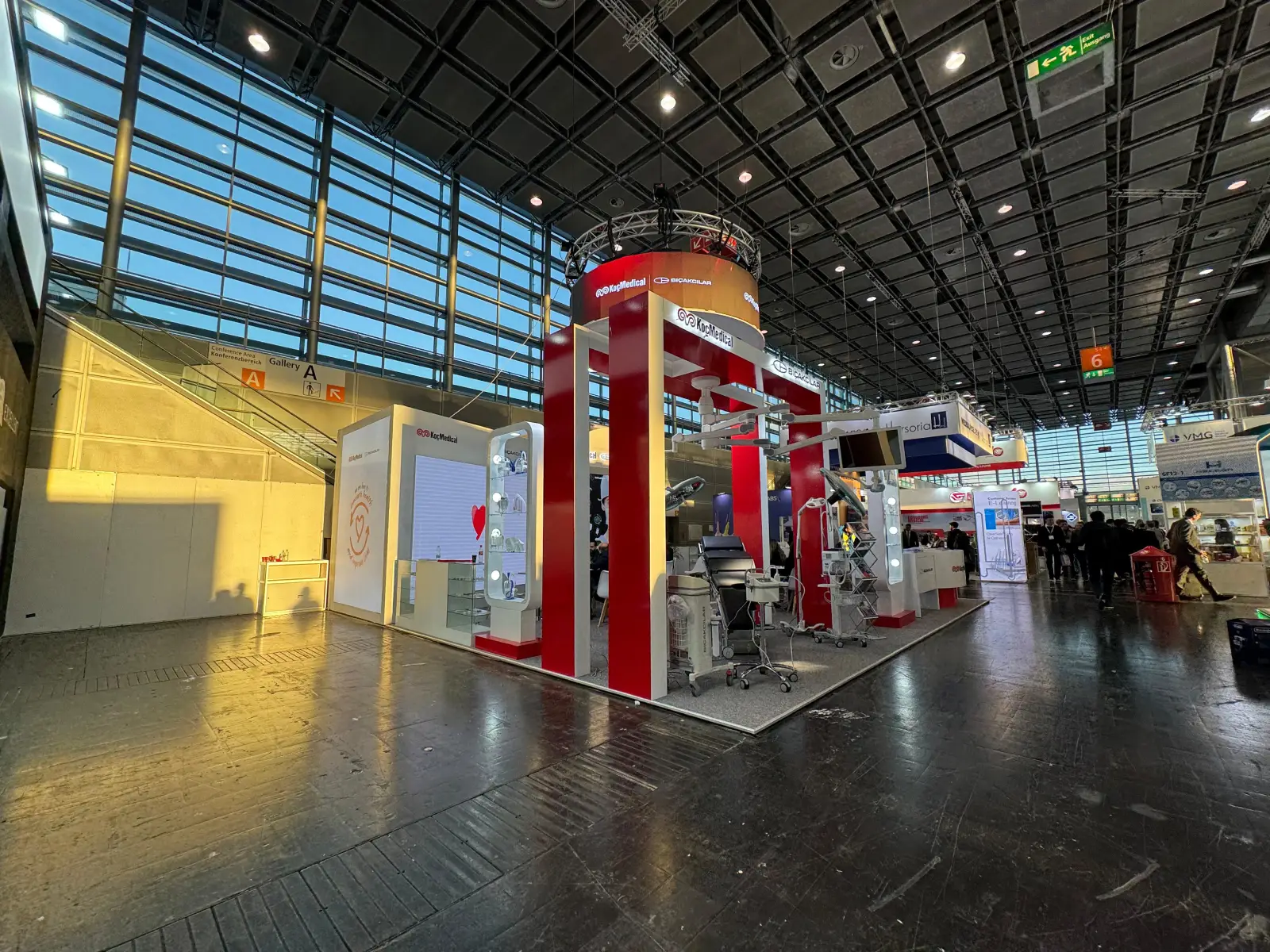
Mobile is a working trade show market.
On a Mobile program, this capability has to interlock cleanly with venue paperwork, labor pacing, and the show-day pressure points crews actually meet on the floor.
Execution priorities
- Tie on-site project governance to the actual venue and event type before scope hardens.
- Make labor, freight, graphics, and show-day support work as one plan.
- Protect the event from avoidable handoff drift and late reversals.
What drives the Mobile calendar
Mobile is a working trade show market.
Trade show weeks in Mobile compress decisions.
The main Mobile event areas
Midtown Mobile, Airport Boulevard, Spring Hill, West Mobile form the Mobile Airport and Midtown Corridor cluster. This corridor matters for suburban corporate meetings, airport-oriented room blocks, and production teams that do not need to stage every program on the waterfront.
Downtown Mobile Waterfront Convention District runs across Mobile, Downtown Mobile, LoDa. This is the primary trade-show and conference cluster led by the convention center, headquarters hotels, museum offsites, the Saenger, and Mobile's walkable restaurant core.
Operational rules on the Mobile floor
Mobile floor operations follow the venue's own manual.
The role schedules and supervises labor calls and requires knowledge of local IATSE policies and labor agreements, which is strong evidence that at least part of the regional venue mix uses organized labor workflows.
Mobile venues we work
The right building depends on the show: a consumer expo wants open aisles and broad traffic flow; a corporate conference wants controlled breakout space; a brand activation wants a venue that can carry scenic and production without fighting the architecture.
National Maritime Museum of the Gulf of Mexico is one of the anchors.
Scope on a on-site project governance project
The governance projects typically include design work, fabrication or rental sourcing, graphics production, show-service paperwork, freight, install, show-hours coverage, and strike.
The handoffs on an the governance project matter almost as much as the line items. Design has to hand a build-ready drawing to fabrication. Every handoff is a place quality can drop.
Scope boundary is as important as scope inclusion.
What an engagement actually looks like
Venue coordination comes next.
Install days are owned by a single on-site lead.
During show hours, the booth is a live operating space.
That document drives the next booking.
Pricing and scheduling
Cost scales with how it is built, how big it is, what the venue charges for its own services, what the graphics look like, how far the crates travel, and how many days the team stays on-site.
Lead time drives everything. Custom: 16 to 20 weeks. Rental: 8 to 12.
Outcomes we optimize for
Trade show ROI is measured at the lead and pipeline level.
A week after the show, the booth's actual floor performance is already clearer than any pre-show projection. We document those observations alongside the technical closeout so the next cycle inherits real signal, not nostalgia.
What makes our work different
Trade Show Services of Mobile keeps the work local.
The difference from a national vendor shows up at the dock.
On-Site Project Governance planning questions
Do you work at USS ALABAMA Battleship Memorial Park?
Yes.
How does labor work in Mobile?
It runs venue by venue.
How much lead time is ideal?
Custom builds run best with 16 to 20 weeks of lead time. Rentals take 8 to 12 weeks.
What information kicks off a project?
The show, the venue, the booth number, the dates, and a target budget range. From those, an initial scope and a realistic cost come back within a few days.
Who runs the booth on-site?
One named show-site lead runs the install, the show hours, and the strike. That person carries the floor plan and the punch list from crates to doors and reports up once a day.
Can the booth travel to the next city on our calendar?
Same structure, swappable graphics, standard crates.
What happens if something breaks during show hours?
The on-site lead handles it.