Event Types in Mobile

Program Formats

event-format support in mobile, al

Event-format support for trade shows, conferences, product launches, and other live programs that need a practical execution plan.

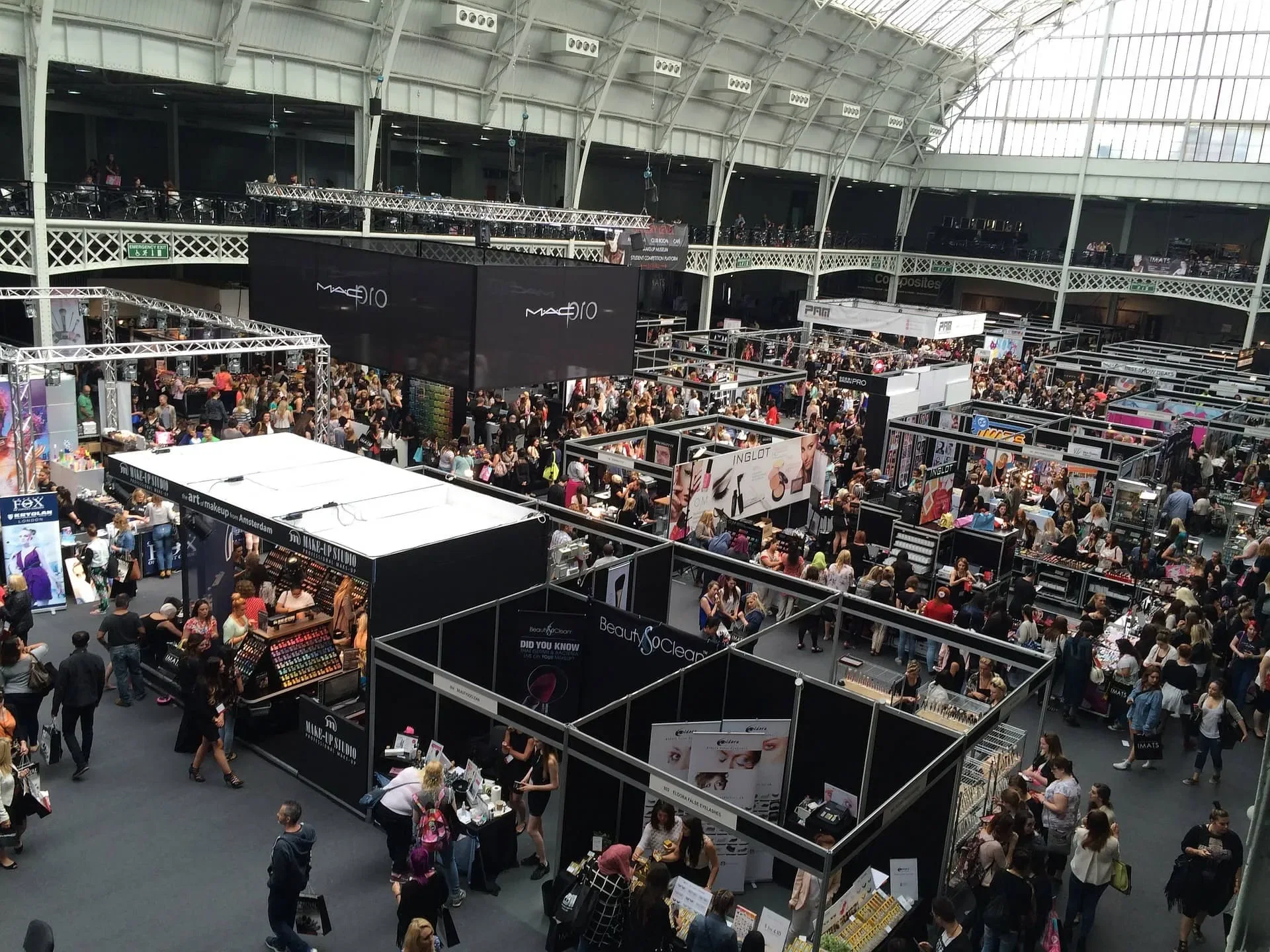
Format is the first production decision on a Mobile program. A trade show, sponsor activation, hospitality suite, conference, or roadshow stop can share vendors and still need completely different staffing rhythms, registration loads, technical packages, and room reset patterns.

These pages translate format choice into the operating commitments that actually follow it: how much labor, what kind of venue inventory, where the demo or show-call pressure sits, and what the floor team has to hold to once doors open.

Format is the first production decision

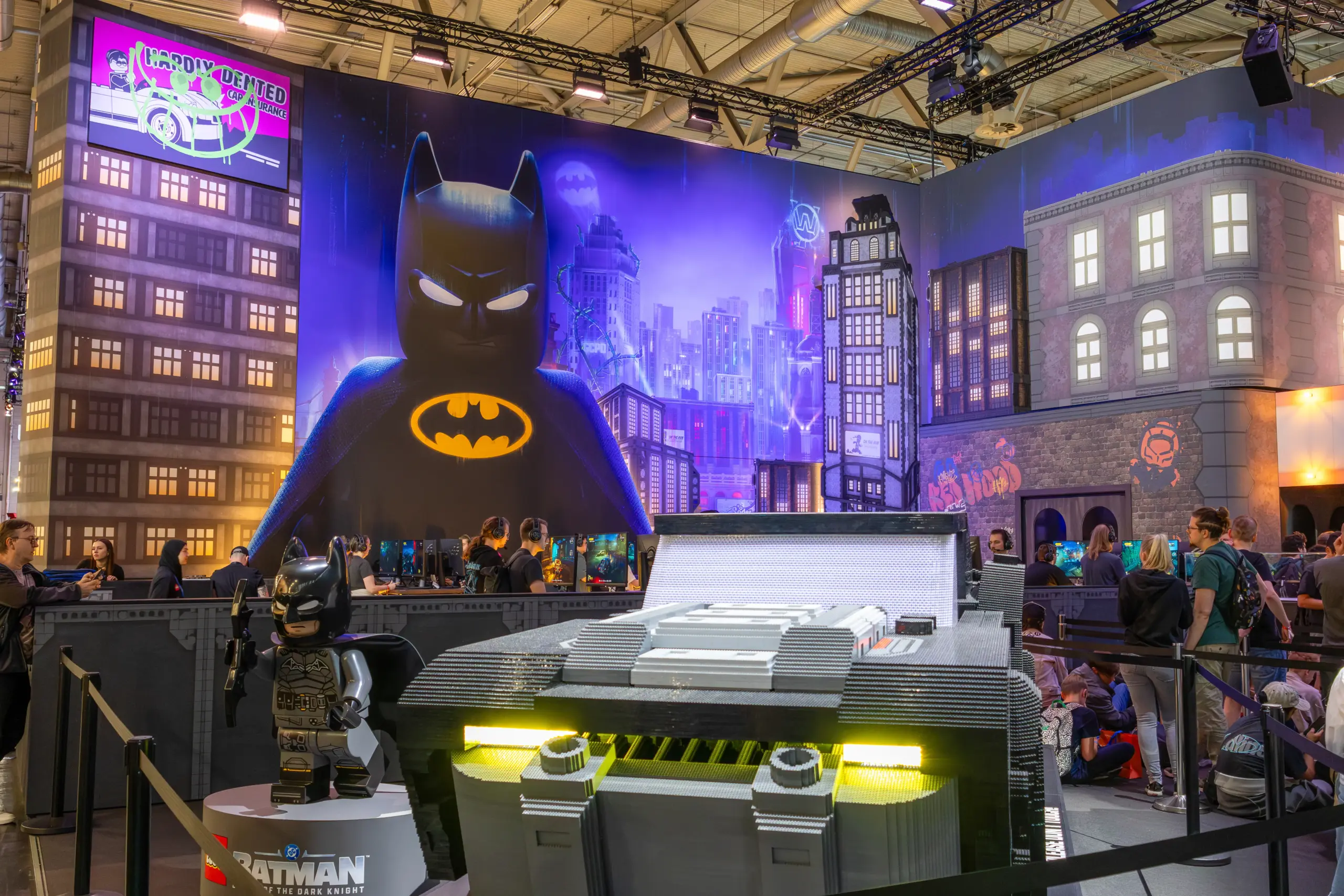
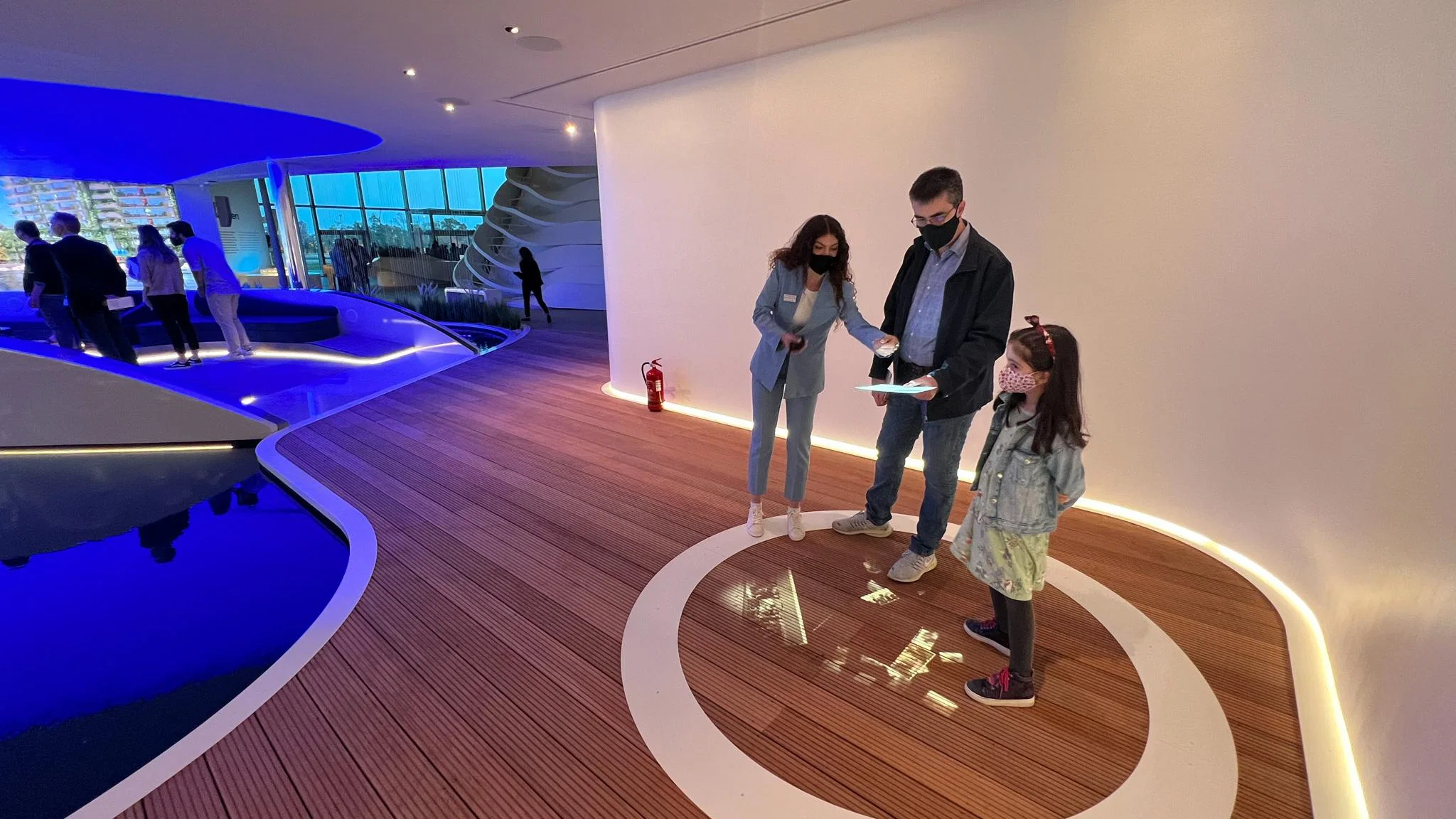
A conference, expo, trade show, hospitality suite, roadshow stop, and sponsor activation can all share vendors and still need completely different event paths. Format changes the registration load, the staffing rhythm, the wayfinding burden, the amount of technical support on the floor, and how the room needs to reset from one segment to another.

Each format section explains the work in practical terms so the production path can reflect what the audience will actually experience instead of treating every event like a blank exhibit-hall problem.

Why format sections matter in this market

Mobile and the broader Gulf Coast reward format discipline because venue stock is mixed. Some formats belong in the convention district, some perform best inside resort conference inventory, and some need the more public-facing civic and entertainment properties in Orange Beach or Pensacola. The cleaner the format definition, the faster the venue list and service scope improve.

Primary market

Mobile, AL

Primary focus on downtown Mobile and the waterfront convention district, with deliberate expansion east into the Eastern Shore and Alabama beach meeting markets and west into downtown Pensacola and Pensacola Beach where real venue inventory supports conference, exhibit, sponsor, and activation demand.
Venue anchor

Downtown Mobile Waterfront Convention District

This is the primary trade-show and conference cluster anchored by the convention center, headquarters hotels, museum offsites, the Saenger, and Mobile's walkable restaurant core.

Labor stance

Venue and show specific

Alabama's right-to-work baseline, with venue-managed and event-specific labor conditions shaped by the current show manual.

The Mobile event landscape

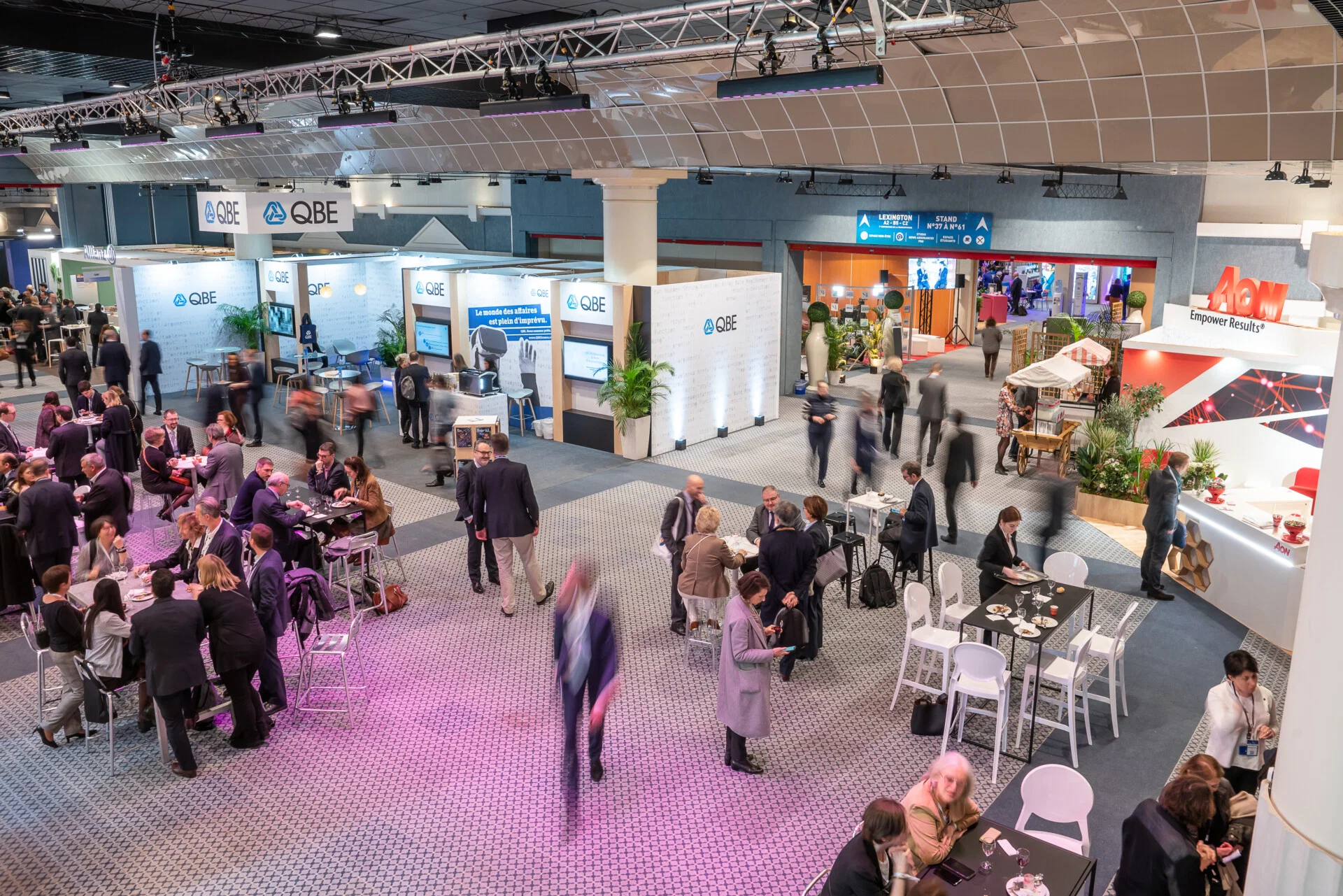
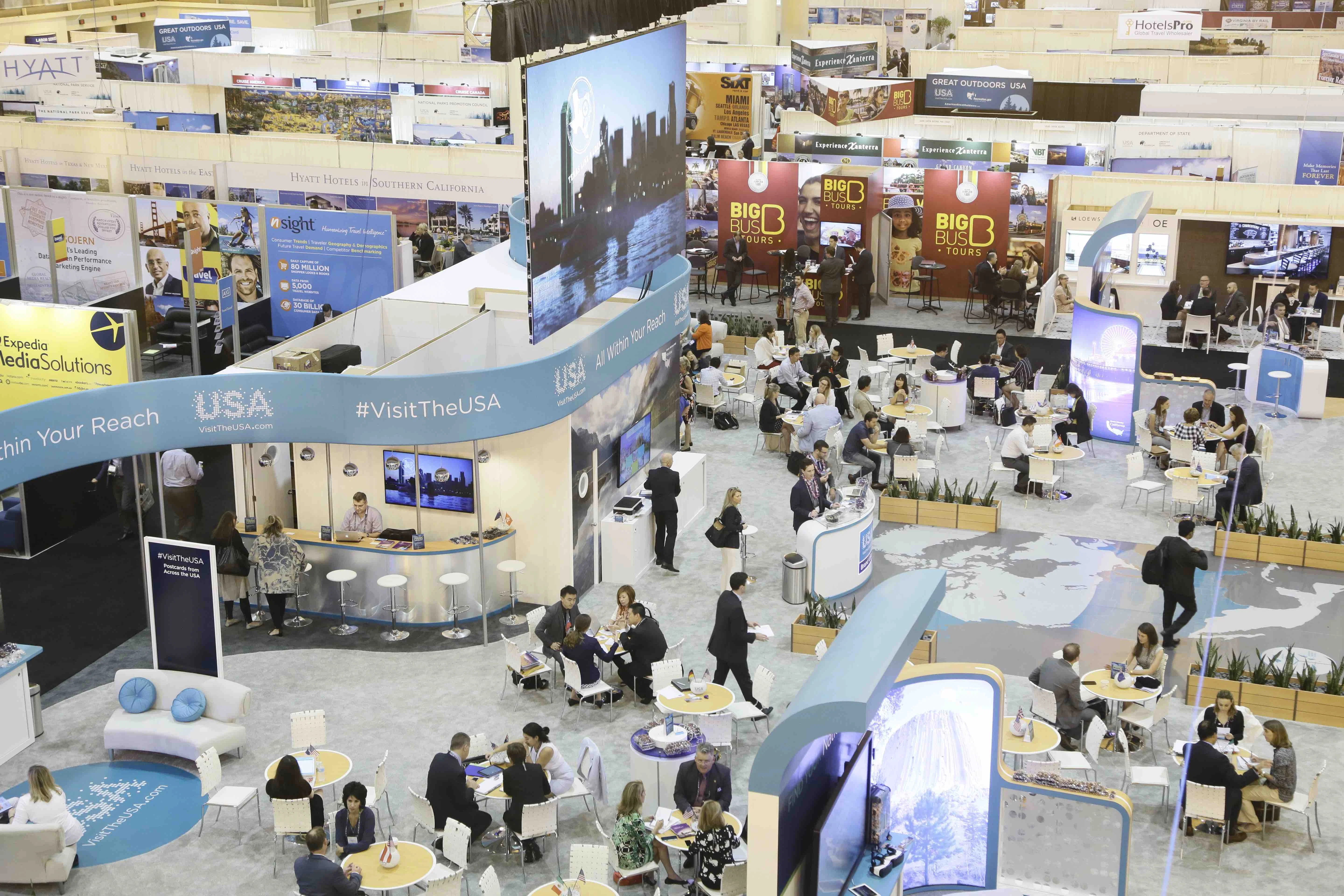
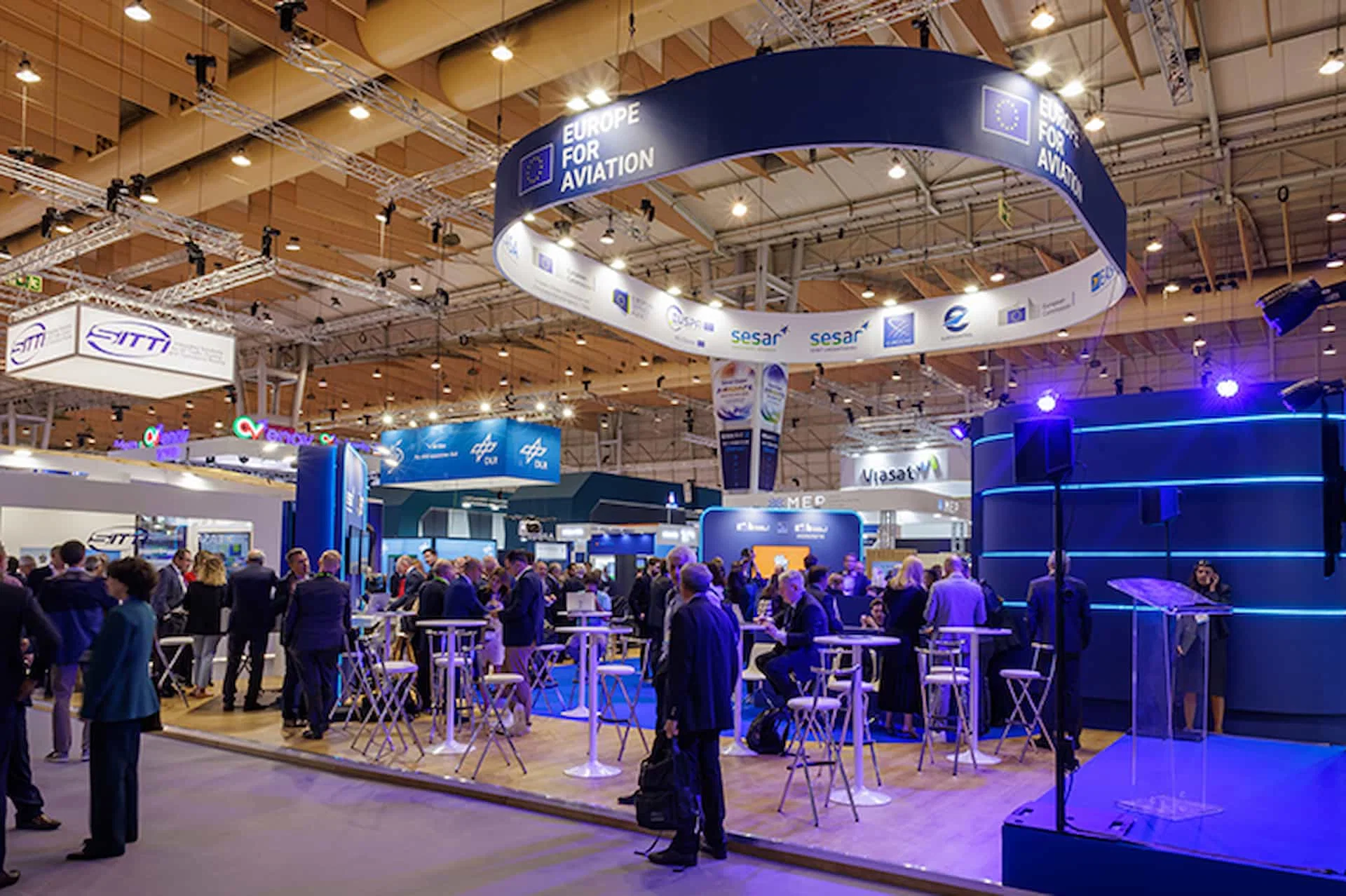
Mobile is a working trade show market. Its anchor venues host hundreds of events a year, and the rhythm of load-in, show hours, and strike is well-established across the local vendor base.

Trade show weeks in Mobile compress decisions. Dock windows are finite, rigging slots fill fast, and the labor calendar around a citywide conference runs hot. Exhibitors who treat planning as optional lose time they don't get back.

Hilton Pensacola Beach provides 14,894 square feet of event space with a largest room of 6,758 square feet, giving the corridor another serious beach-meeting hotel outside Alabama, which sets the practical ceiling for a booth program working the market.

Visit Mobile's current planner coverage explicitly adds the National Maritime Museum of the Gulf of Mexico, USS ALABAMA Battleship Memorial Park, and other distinctive offsite venues to the market's conference inventory.

Mobile venues we work

Mobile events cluster around a small number of venues, and each one has a different personality on the floor.

Across the Mobile venue set, what changes between buildings are the labor model, the rigging approval path, the drayage setup, and the published move-in window. The plan has to match the specific building.

Orange Beach Event Center at the Wharf. Orange Beach Event Center at the Wharf is one of the Gulf Coast's most relevant mid-size event venues outside a formal convention center.

Heron Pointe is one of the anchors. It is especially useful when a beach-market program needs an evening venue that feels distinct from the main ballroom or event-center floor.

Operational rules on the Mobile floor

Mobile floor operations follow the venue's own manual. Dock timing, utility orders, rigging, and crew calls all come out of that document.

The workable version of Mobile labor planning is boring on purpose: read the manual, match the scope to its categories, order what the venue sells directly, and schedule everything else around its posted windows. Surprises almost always trace back to a step someone skipped.

The role schedules and supervises labor calls and requires knowledge of local IATSE policies and labor agreements, which is strong evidence that at least part of the regional venue mix uses organized labor workflows.

Planner questions

Event Types planning questions

Do you work at Museum Plaza?

Yes. Museum Plaza is an outdoor downtown Pensacola event space with meaningful footprint for receptions, sponsor installations, public programming, and ancillary conference events that want a more open-air civic feel. Projects at that building are planned against its specific floor rules.

How does labor work in Mobile?

It runs venue by venue. Alabama's current statewide constitutional text preserves a right-to-work posture, which supports an open-market baseline rather than a blanket union requirement across the state by default. Other Mobile venues have their own published rules, and the plan matches the specific building.

How much lead time is ideal?

Custom builds run best with 16 to 20 weeks of lead time. Rentals take 8 to 12 weeks. Work inside 4 weeks is possible but raises costs and narrows the options.

What information kicks off a project?

The show, the venue, the booth number, the dates, and a target budget range. From those, an initial scope and a realistic cost come back within a few days.

Who runs the booth on-site?

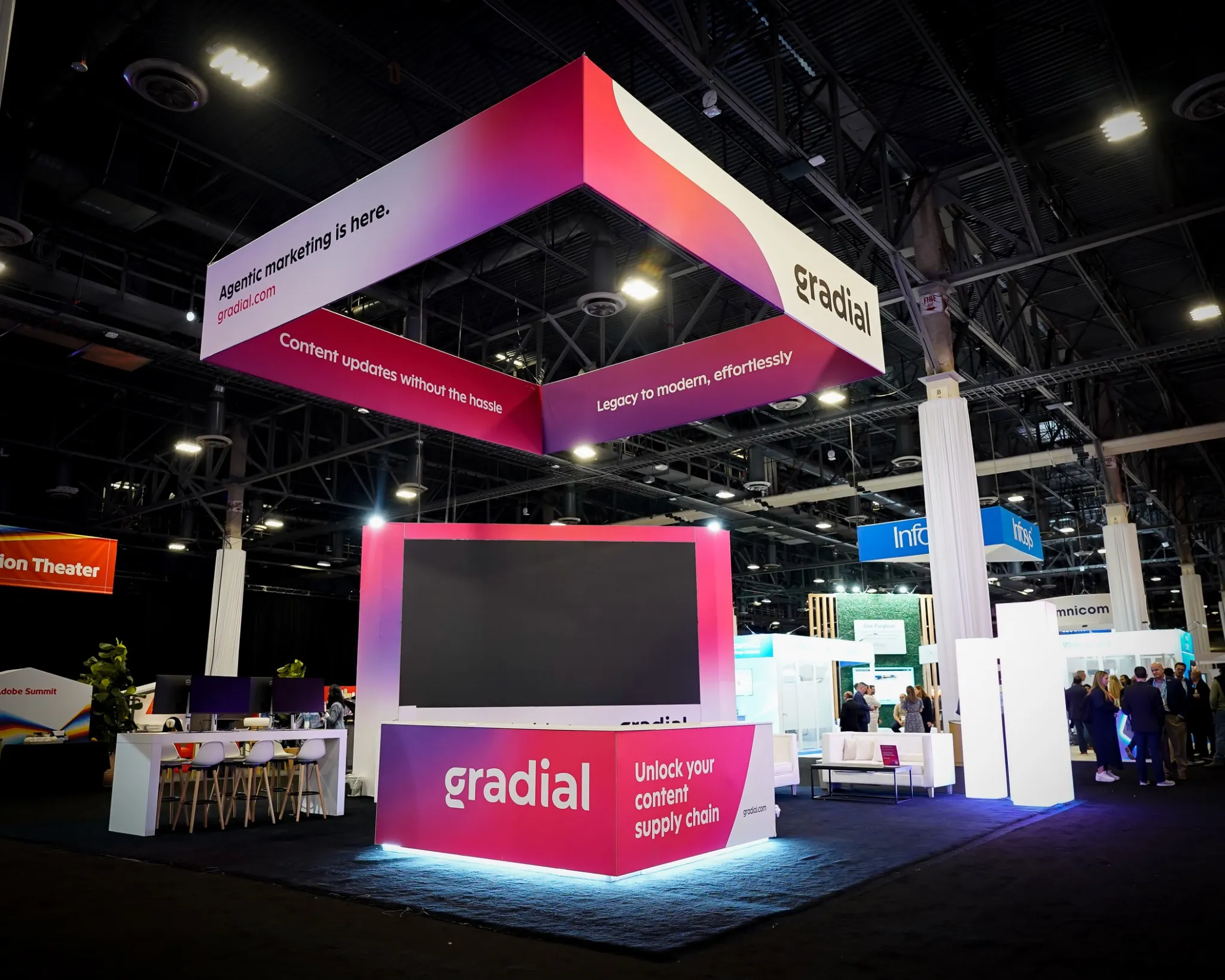
One named show-site lead runs the install, the show hours, and the strike. That person carries the floor plan and the punch list from crates to doors and reports up once a day.

Can the booth travel to the next city on our calendar?

Yes — builds are designed for modular reuse unless single-use scenic is specifically required. Same structure, swappable graphics, standard crates. Mobile programs that roll to another city on the same calendar get handled end to end.

What happens if something breaks during show hours?

The on-site lead handles it. Minor repairs happen in place; anything larger gets sourced from the local shop or rerouted through the venue's service desk.

Ready to brief your project?

Talk through the Event Types scope

Start with the venue, date, and event behavior that matters most so the next conversation can move directly into practical planning.

Start the brief