
Pressure points
Venue approvals, freight arrival, labor check-in, AV set, client walk-through, strike. Same six pressure points whether the room is a downtown hotel, a Point Clear resort, or a Pensacola civic floor.
Anchor venues
The Mobile corridor is shaped by a small set of venues that decide how a show week is staged. Each one changes the freight path, the labor plan, and the room behavior crews have to deliver against.
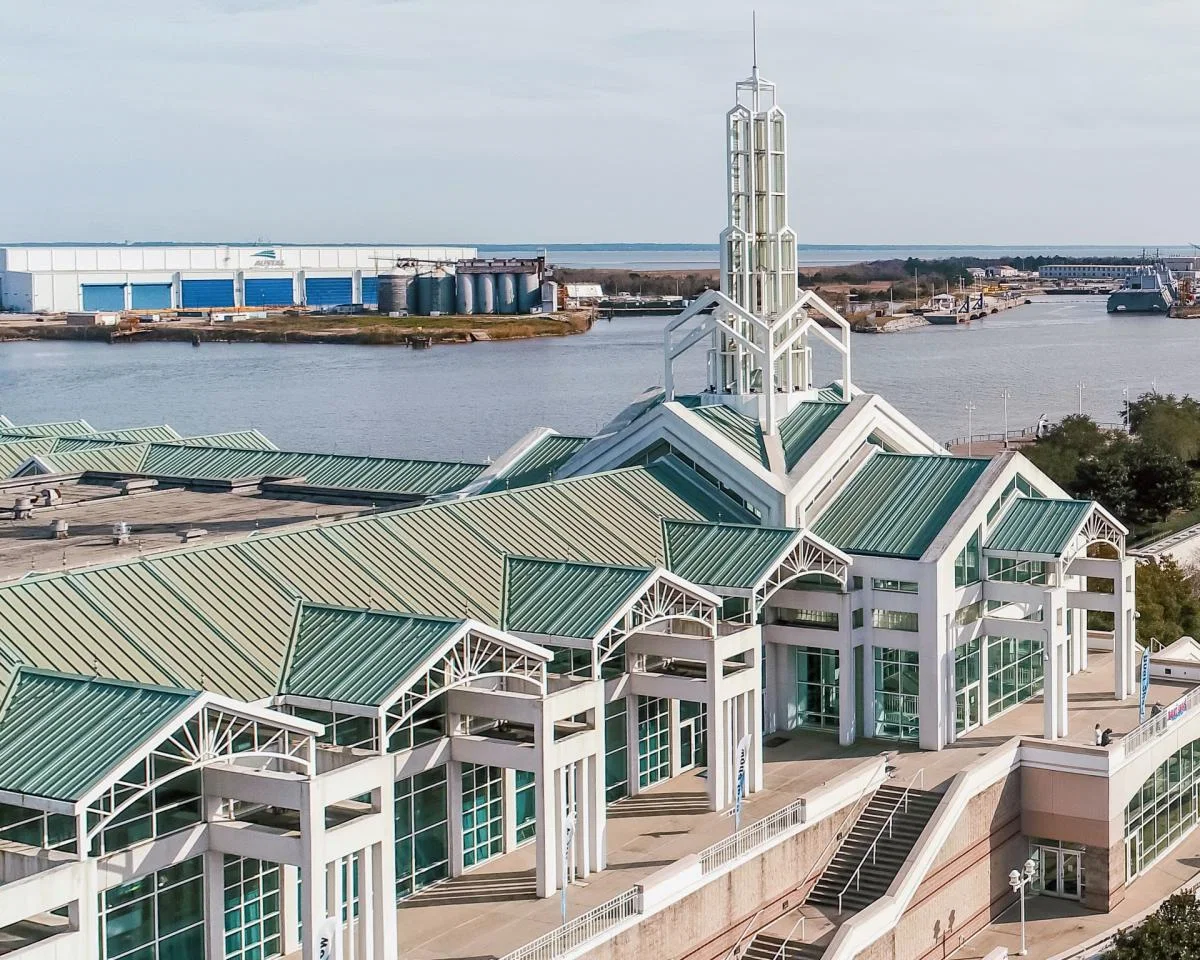
317,000 sq ft on the downtown waterfront. Two 50,000 sq ft halls drive the city's largest exhibit programs.
venue notes →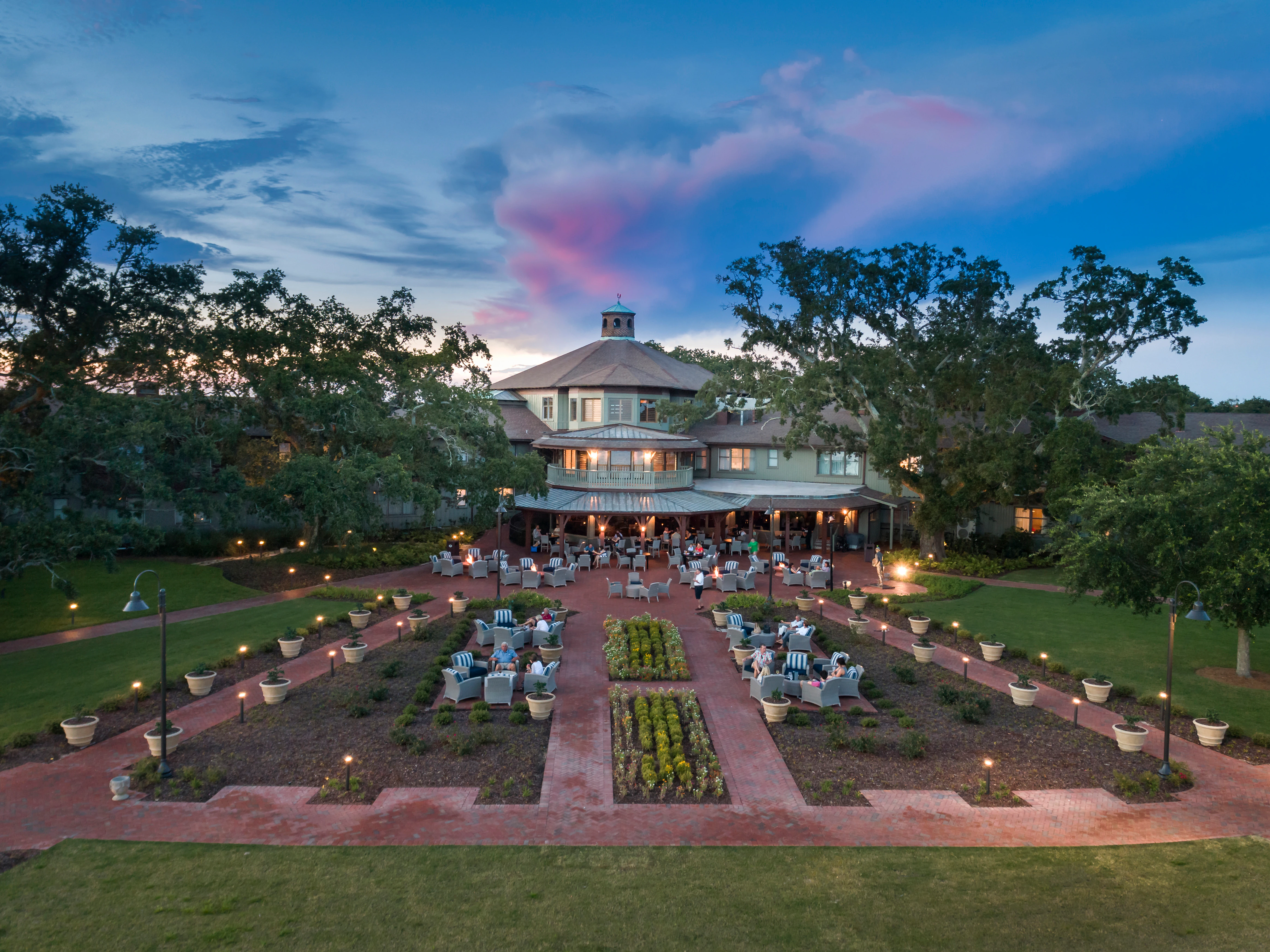
Point Clear's anchor resort. Bayfront ballrooms and breakouts for executive meetings and association programs.
venue notes →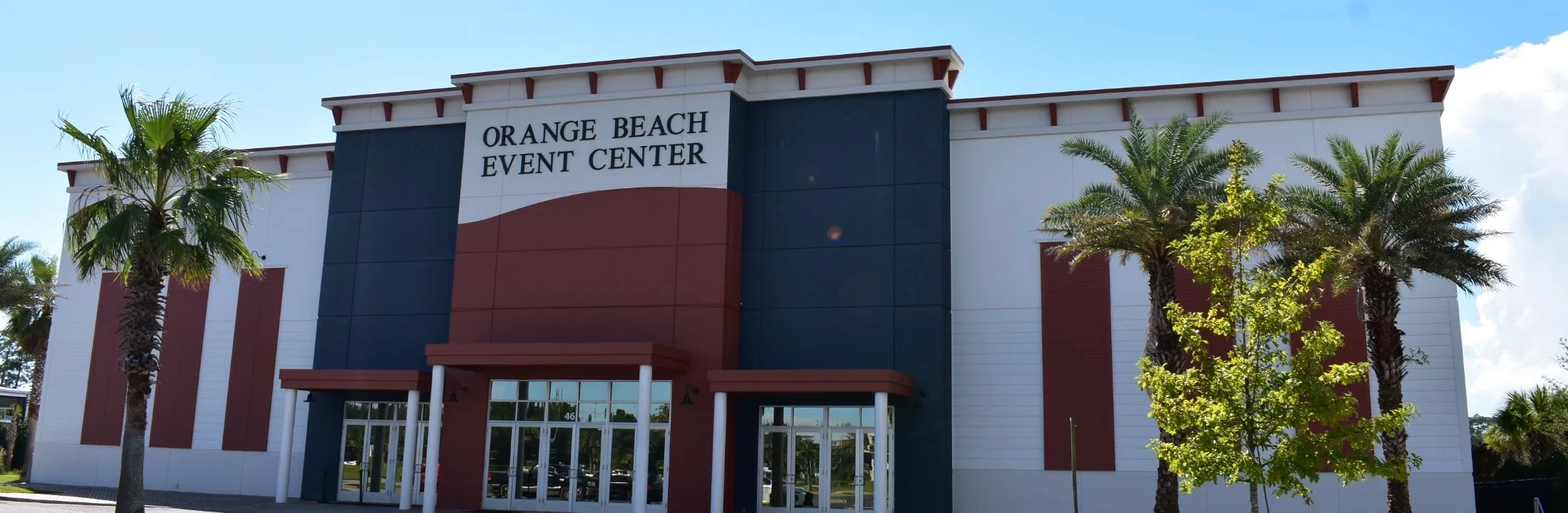
The Wharf complex in Orange Beach. Coastal-market expos, sponsor activations, and resort-paced general sessions.
venue notes →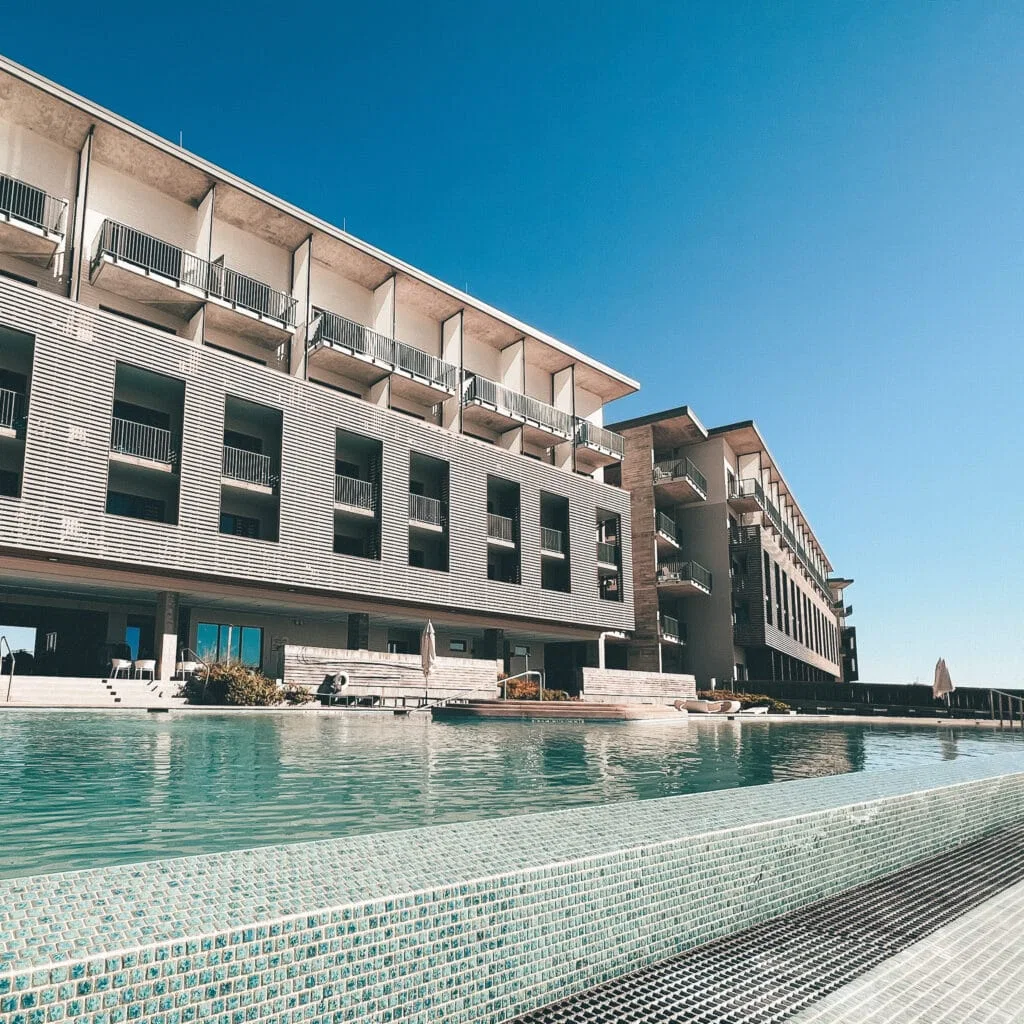
Gulf-front Hilton resort with full conference inventory. Built for retreats, board meetings, and incentive programs.
venue notes →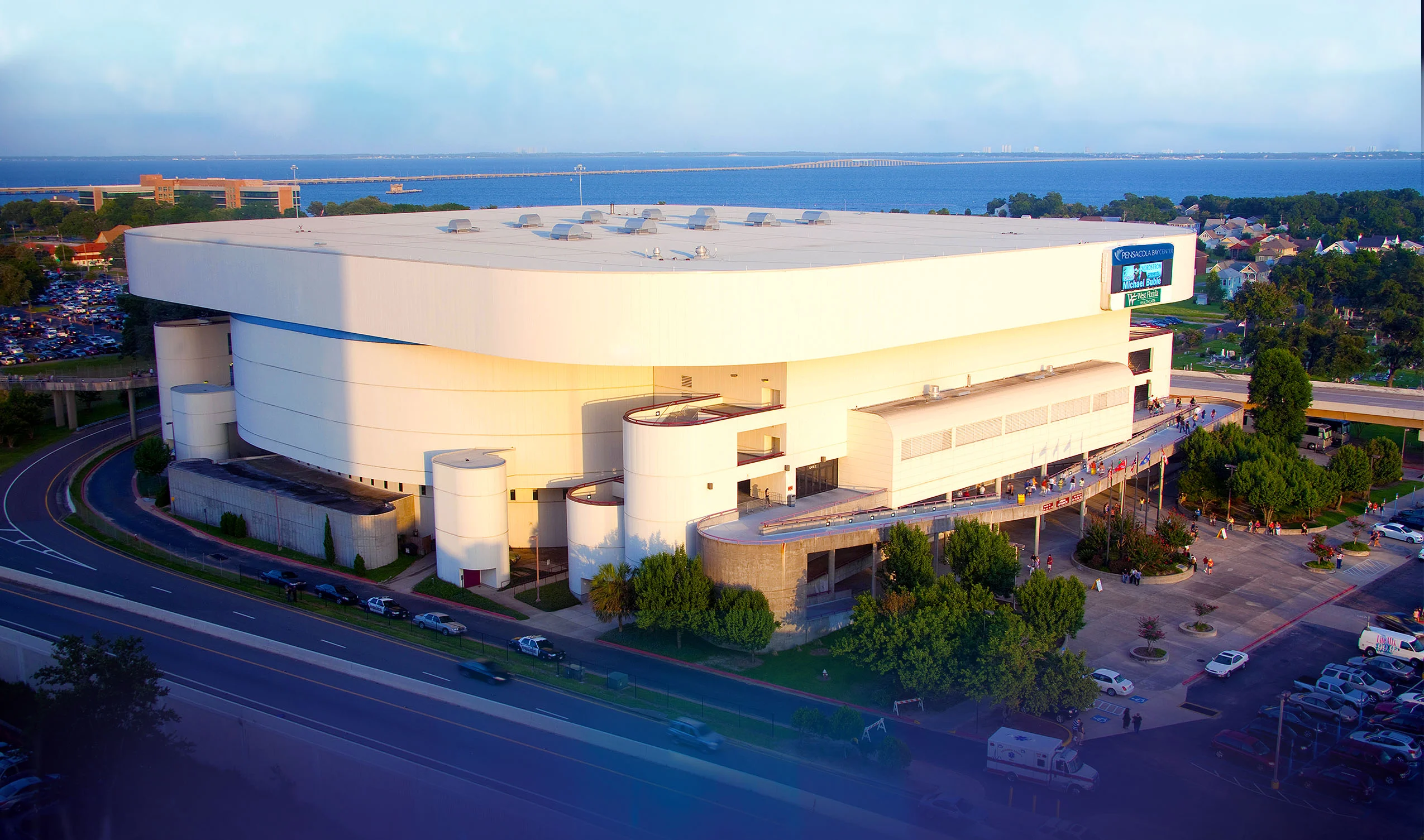
22,000 sq ft main hall, 17 meeting rooms, reception capacity to 5,000. The west-side anchor for larger public events.
venue notes →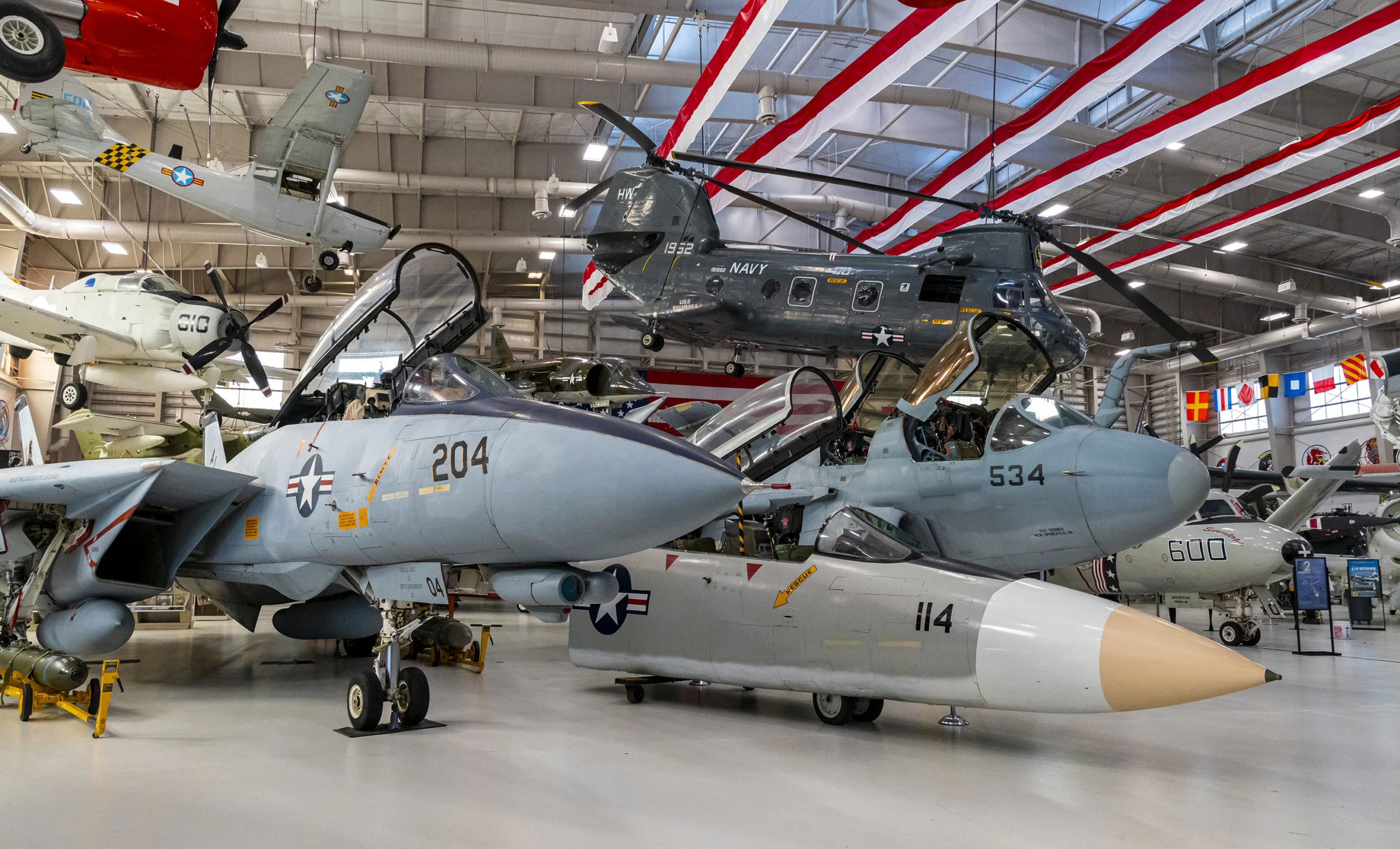
Pensacola offsite venue with hangar-scale event space surrounded by flight-deck history. A standout for receptions and brand activations.
venue notes →Coverage
One operating plan from downtown Mobile through the Eastern Shore, the Alabama beaches, and the Pensacola side of the route.
 Downtown Mobile
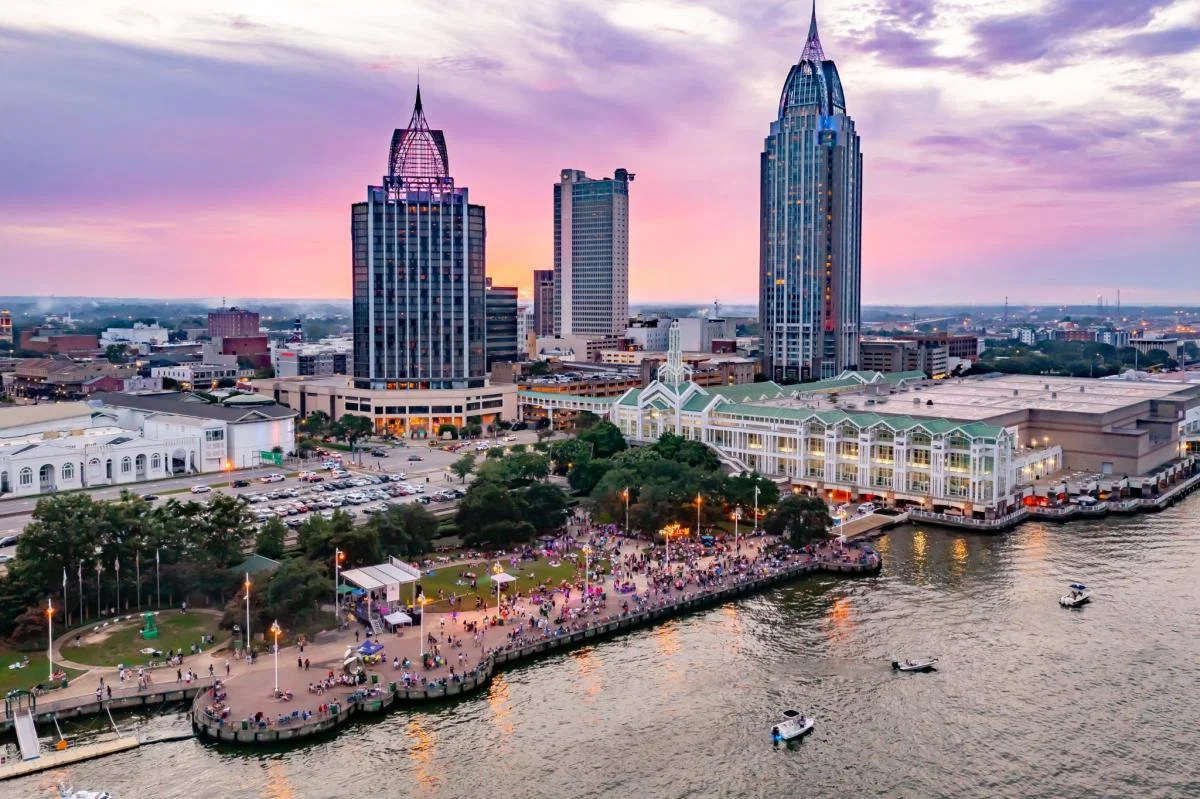
The waterfront convention district. Walkable hotel blocks, dock access, and the strongest exhibit infrastructure on the corridor.
 Point Clear, AL
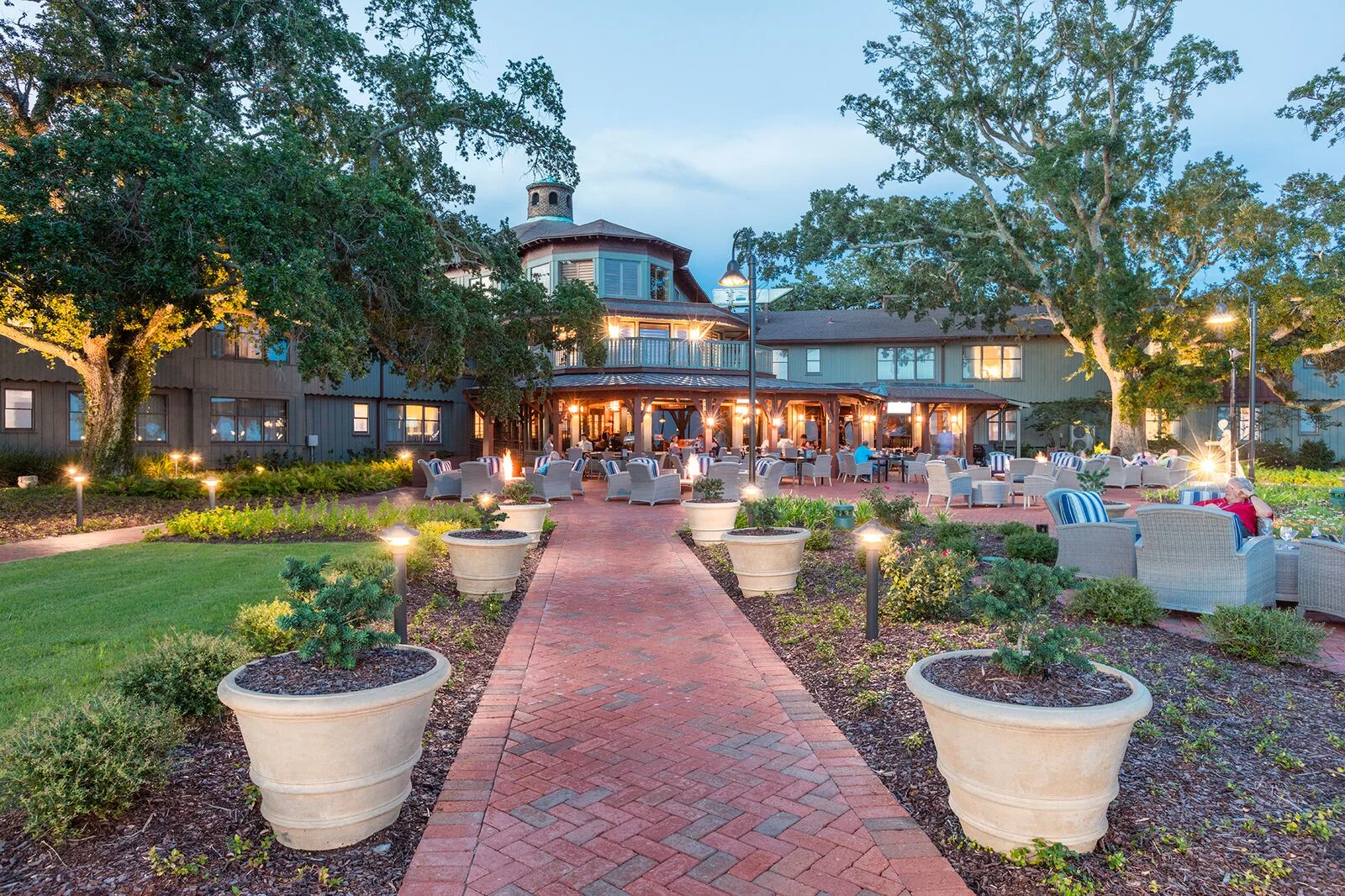
Bayfront resort meetings on the Eastern Shore. Slower pace, tighter guest movement, and a different rhythm than downtown.
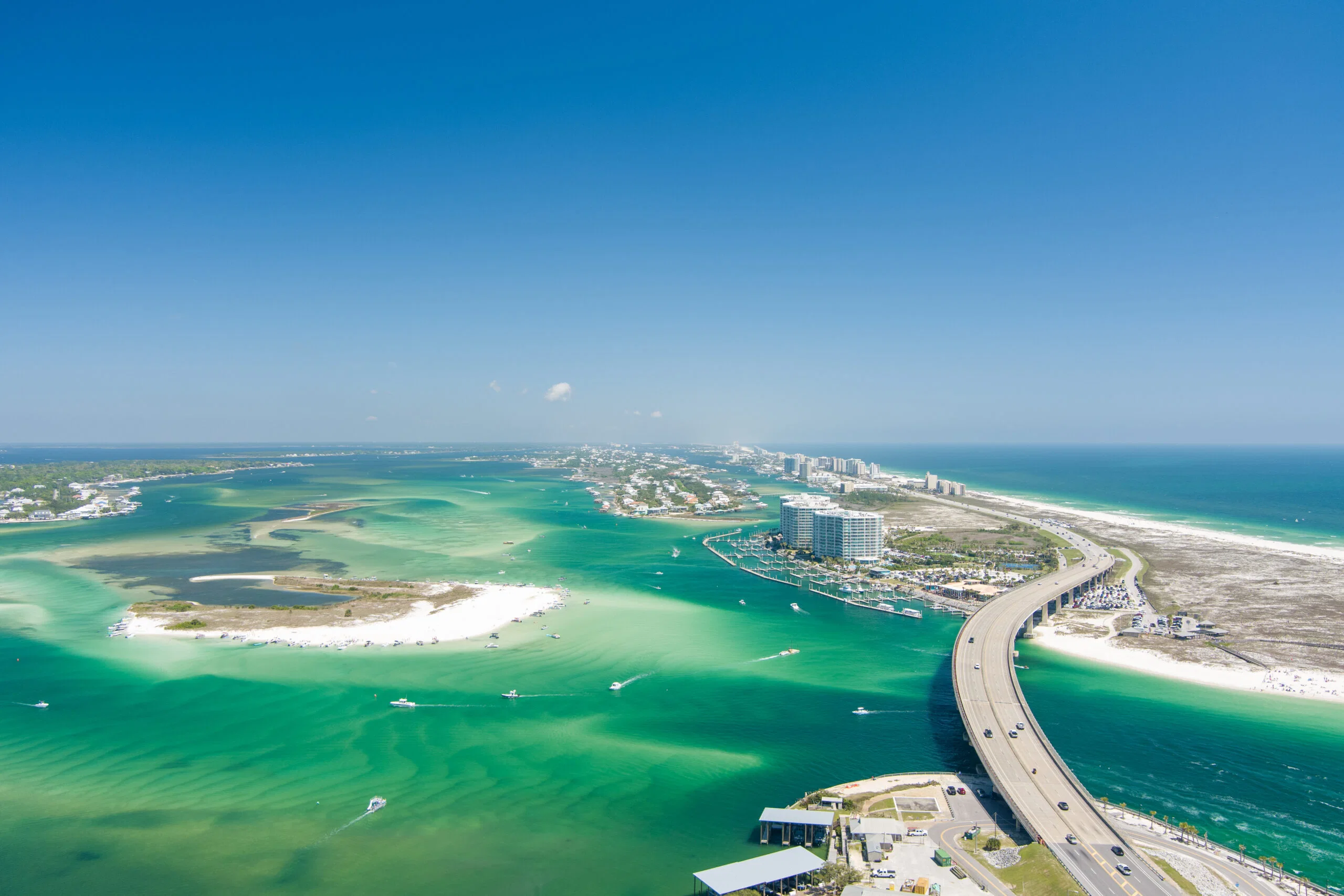 Orange Beach, AL
Resort hospitality and beach-paced meetings. Sponsor activations, room blocks, and access timing built around an active property.
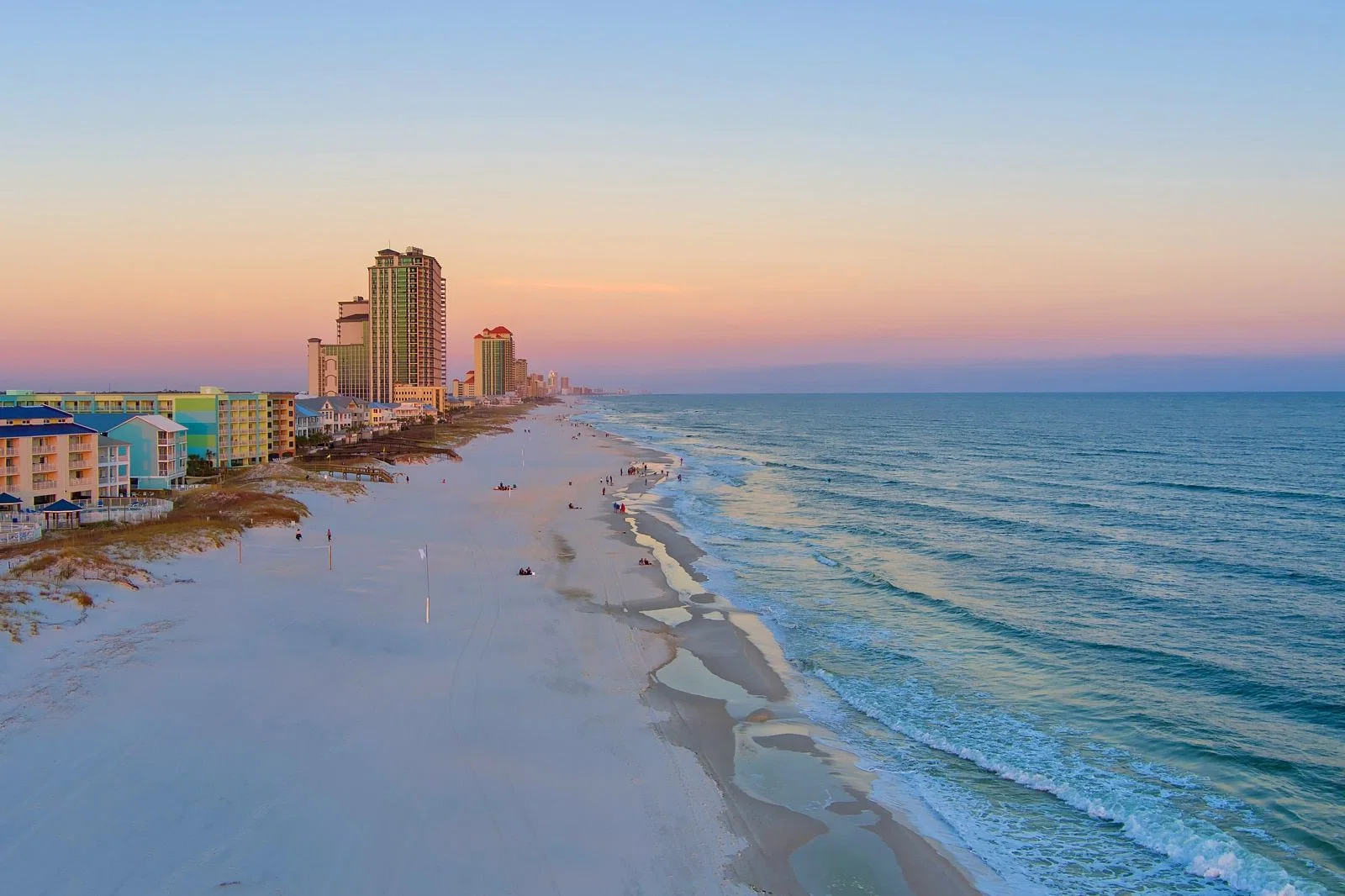 Gulf Shores, AL
Beach-market conference work where Embassy Suites and Lodge inventory expand the resort meeting ceiling.
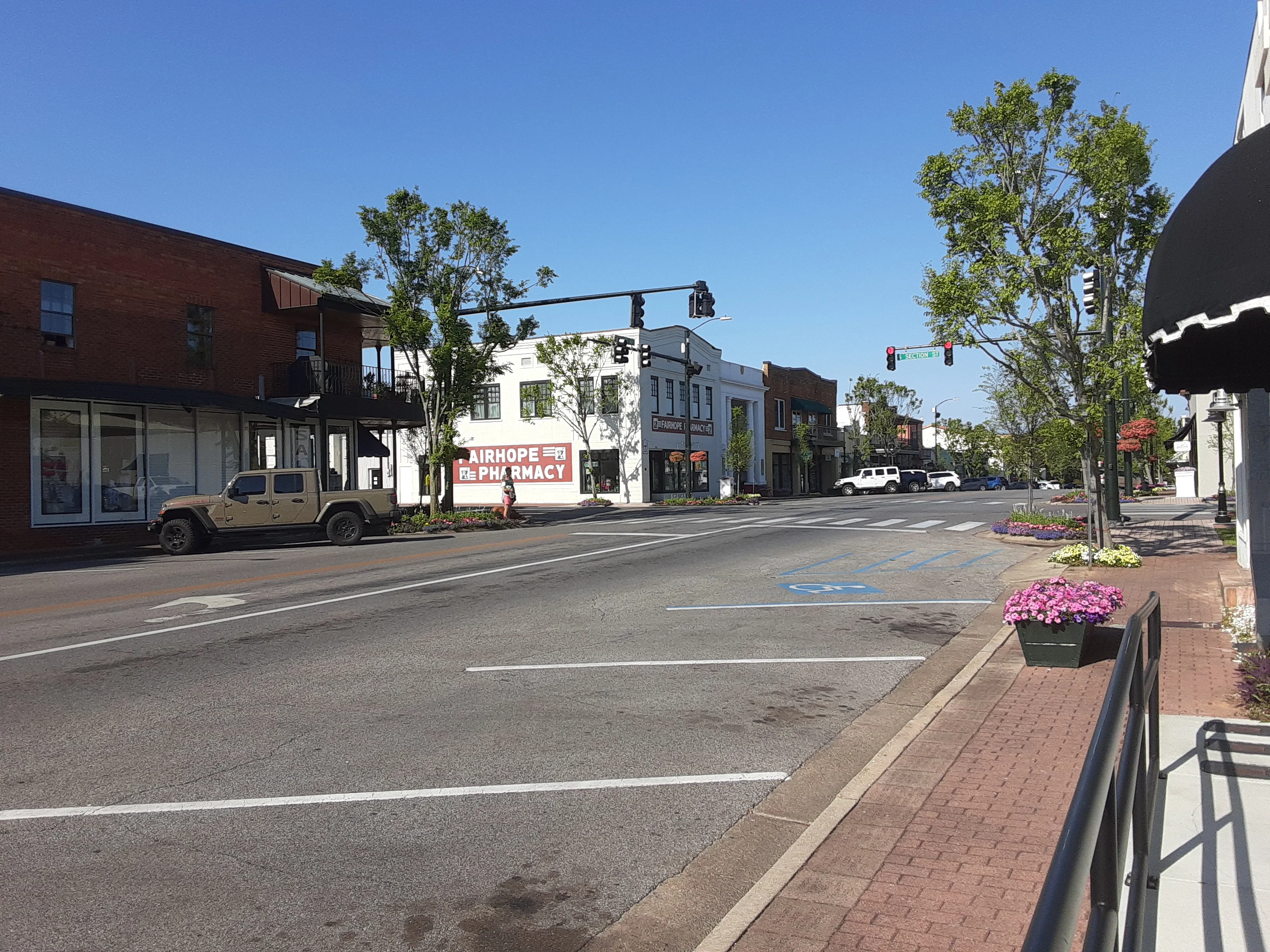 Fairhope, AL
Boutique civic and bayside meeting venues. A fit when the program wants polish without the resort overhead.
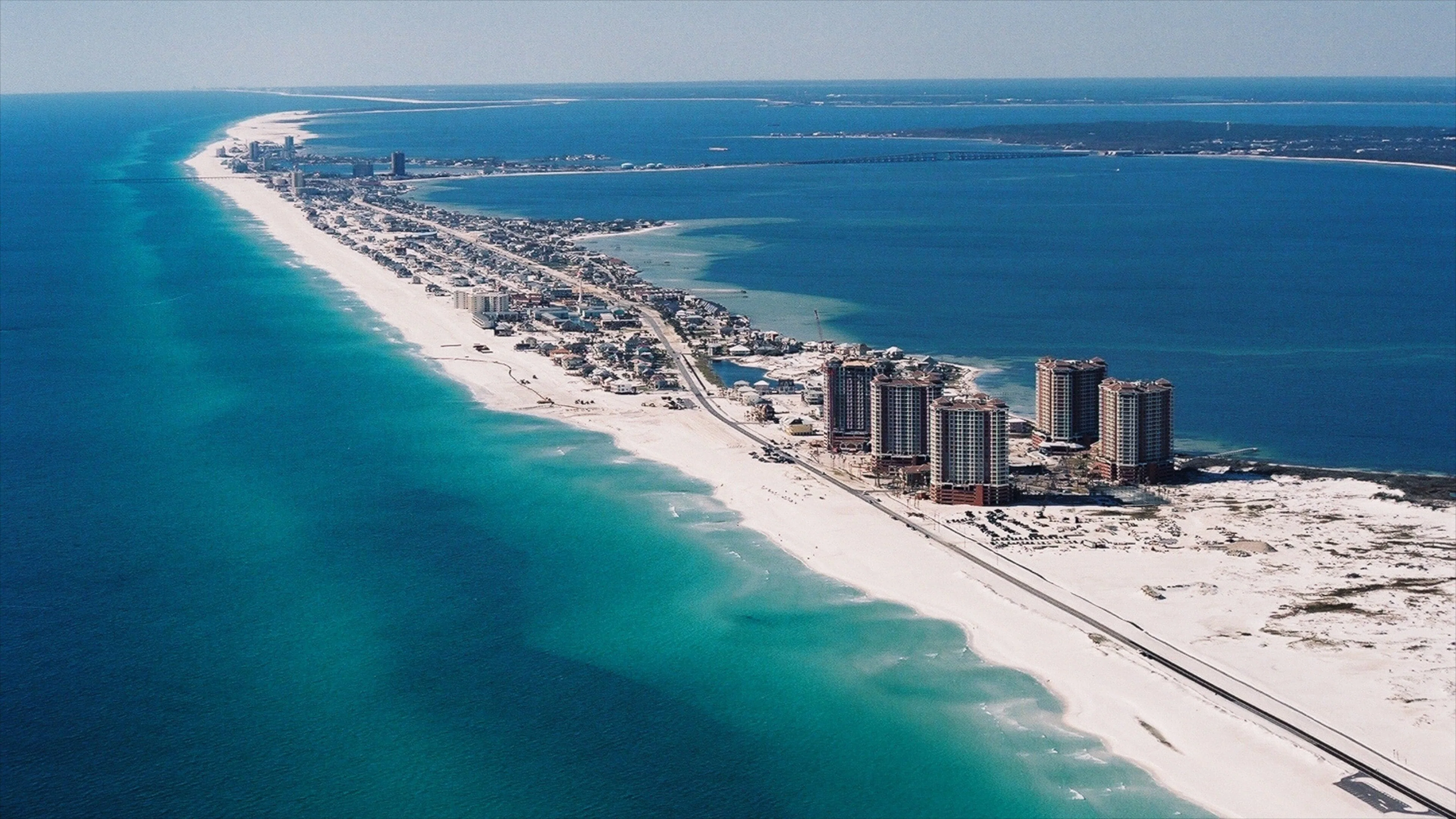 Pensacola, FL
The west-side extension. Pensacola Bay Center, museum offsites, and beach hotels broaden the regional plan.
The operating patterns that show up repeatedly across the Mobile corridor: convention-center schedules, hotel and resort-heavy meeting programs, and regional runs that have to stay coherent across city and venue lines.
Convention district
Resort market
Regional extension
The sequence
Venue approvals, freight arrival, labor check-in, AV set, client walk-through, strike. Same six pressure points whether the room is a downtown hotel, a Point Clear resort, or a Pensacola civic floor.
The work gets cheaper when those points run as one path instead of a stack of separate vendor tasks. The client sees how each decision affects the next; the floor team gets a plan it can hold to when the room shifts.
One path for venue deadlines, another for labor, a third for technical setup and closeout. Approval windows and on-site expectations line up before the build starts.
Gulf Coast programs stay steadier when venue timing, routing, staffing, and closeout decisions are judged together. These examples sit on the operating details that most often change the event outcome.
Dock access, ballroom timing, drayage assumptions, and asset return all work better when the venue is treated as the first production variable instead of the last.
Resort and beach properties reward cleaner labor windows, tighter vehicle planning, and more disciplined setup sequencing than many inland venues.
Multi-city schedules from Mobile into Pensacola need a repeatable asset plan, cleaner crew routing, and a closeout process that protects the next stop.
Mobile headquarters
Name the venue, show date, booth or room footprint, event format, and any technical or logistical constraints that change the plan. The more specific the brief, the faster it becomes useful.
If the project moves across Mobile, the Eastern Shore, the beach market, and Pensacola, include that. Routing matters, and intake works best when it reflects the actual path the project has to follow.