
Primary cluster
About us
Trade show delivery for Mobile and the wider Gulf Coast corridor
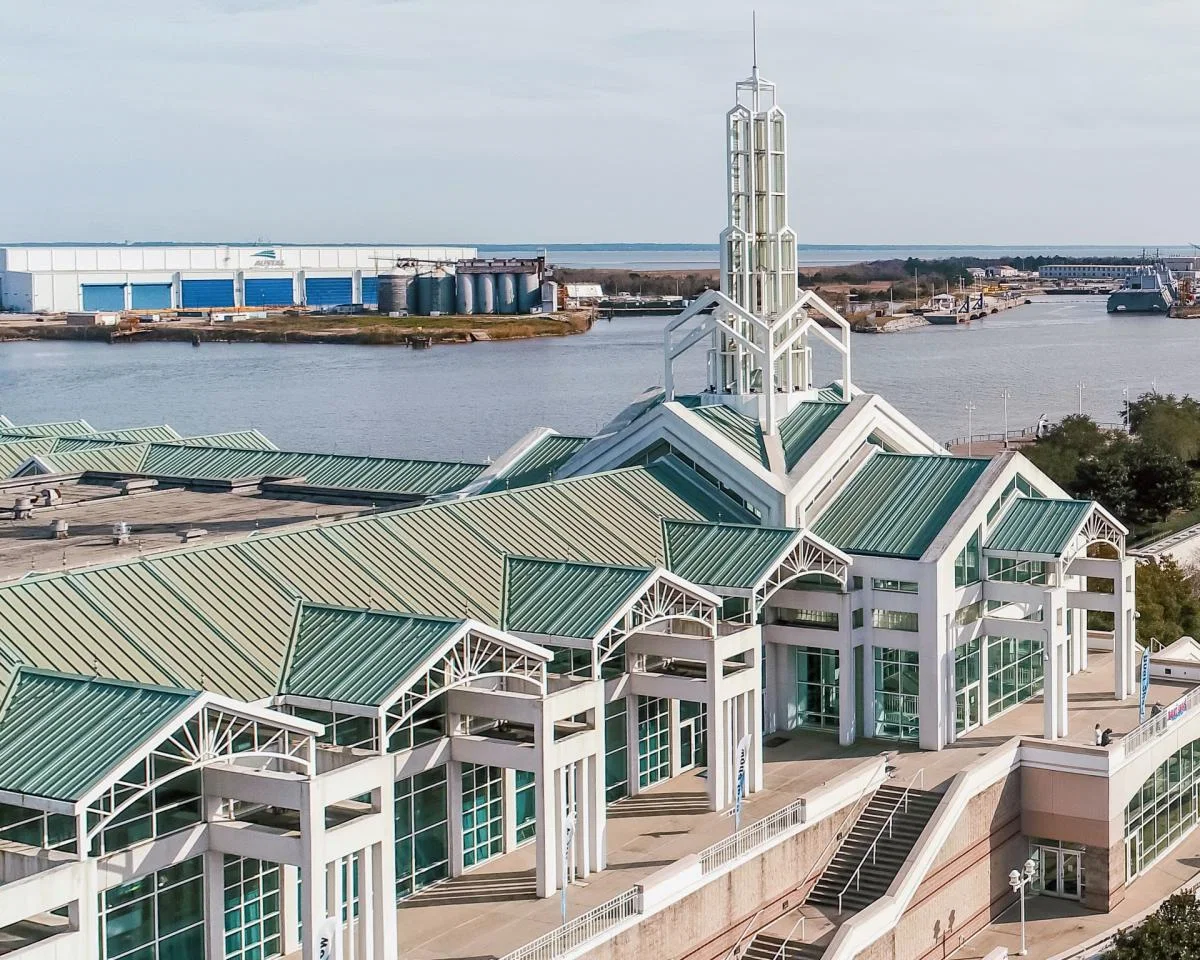
Trade Show Services of Mobile is built around venue-aware execution for a market that stretches from the downtown waterfront through the Eastern Shore and Alabama beach meeting cluster into west-side Pensacola.
Operating stance
Venue specific
Labor, access, and show-service conditions are handled room by room instead of through blanket market promises.Mobile is not a one-venue market. The waterfront convention district, downtown hotel inventory, museum offsites, Eastern Shore resorts, Alabama beach properties, and west-side Pensacola rooms all draw from the same broader event calendar while forcing very different planning decisions. That is why the work here starts with venue behavior and route logic rather than with flat exhibit language.
The practical questions are always the same: where the freight should land, how the room will be used, which deadlines actually matter, how labor and technical support should be paced, and who owns decisions once the room goes live. Strong project leadership keeps those answers visible while the schedule is still flexible enough to improve.
That approach matters more on the Gulf Coast because one-size- fits-all planning becomes useless almost immediately. The Arthur R. Outlaw Mobile Convention Center has a very different operating rhythm than the Grand Hotel in Point Clear, a sponsor program at The Wharf in Orange Beach, or a civic-floor date at Pensacola Bay Center. If the plan does not respect those shifts, the event starts paying for them during install.
The standard behind the business is straightforward: make the next decision obvious. That means giving exhibitors, sponsors, associations, and in-house event teams enough local context to judge fit, enough operating detail to scope the week honestly, and enough discipline to carry the show from kickoff through strike without rediscovering the project at every handoff.
Primary market
Mobile, AL
Primary focus on downtown Mobile and the waterfront convention district, with deliberate expansion east into the Eastern Shore and Alabama beach meeting markets and west into downtown Pensacola and Pensacola Beach where real venue inventory supports conference, exhibit, sponsor, and activation demand.
Venue anchor
Downtown Mobile Waterfront Convention District
This is the primary trade-show and conference cluster anchored by the convention center, headquarters hotels, museum offsites, the Saenger, and Mobile's walkable restaurant core.
Labor stance
Venue and show specific
Alabama's right-to-work baseline, with venue-managed and event-specific labor conditions shaped by the current show manual.
How the work is run
Built for exhibitors, associations, sponsors, and internal event teams that need one readable path
The work spans booth design and fabrication, rental programs, general contractor support, exhibitor-appointed-contractor coordination, installation and dismantle, AV and technical production, graphics, logistics, registration, and show-site supervision.
That breadth matters because the real project never arrives in neat categories. One client may need a booth refresh and labor support. Another may need a full venue-aware production path with graphics, AV, registration flow, and outbound asset handling tied to the same week. The model is built to keep those pieces connected rather than to throw them over the wall between disconnected specialists.
When the path is run that way, the client gets cleaner briefs, the venue gets clearer answers, and the floor team inherits a usable sequence instead of a pile of partial decisions. It also makes the relationship easier to scale when a program starts in Mobile and then expands into another venue cluster or a longer sequence of Gulf Coast dates.
That scale matters because many Gulf Coast programs are repeat appearances, annual meetings, or multi-city efforts that need the same operating standard every time the team shows up. A coherent approach lets the brand carry forward without losing its footing when the venue or submarket changes.
The point is not to sound like a design-only shop, a labor-only vendor, or a flat marketing wrapper. Gulf Coast trade show work usually requires multiple disciplines moving on the same timeline. Strong execution connects every major decision back to venue behavior, freight path, labor pacing, graphics timing, technical setup, and the live-show schedule.
It also means the work stays honest about what changes from one venue to the next. A waterfront convention center, a downtown hotel, a bayfront resort, and a beach-market event center all carry different loading patterns, service rules, and timing pressure. The operating philosophy has to respect those shifts without pretending every room behaves the same way.
The business value of that discipline is simple. It reduces the distance between a question and the answer that can actually help a planner make the next call. In a market with multiple venue types, overlapping calendars, and different routes in and out of the city, that shorter distance matters.
Practical planning, direct communication, and an execution path that respects the floor are the standards that hold the work together. When the next step is clear, the event usually gets better.
Brief your project