
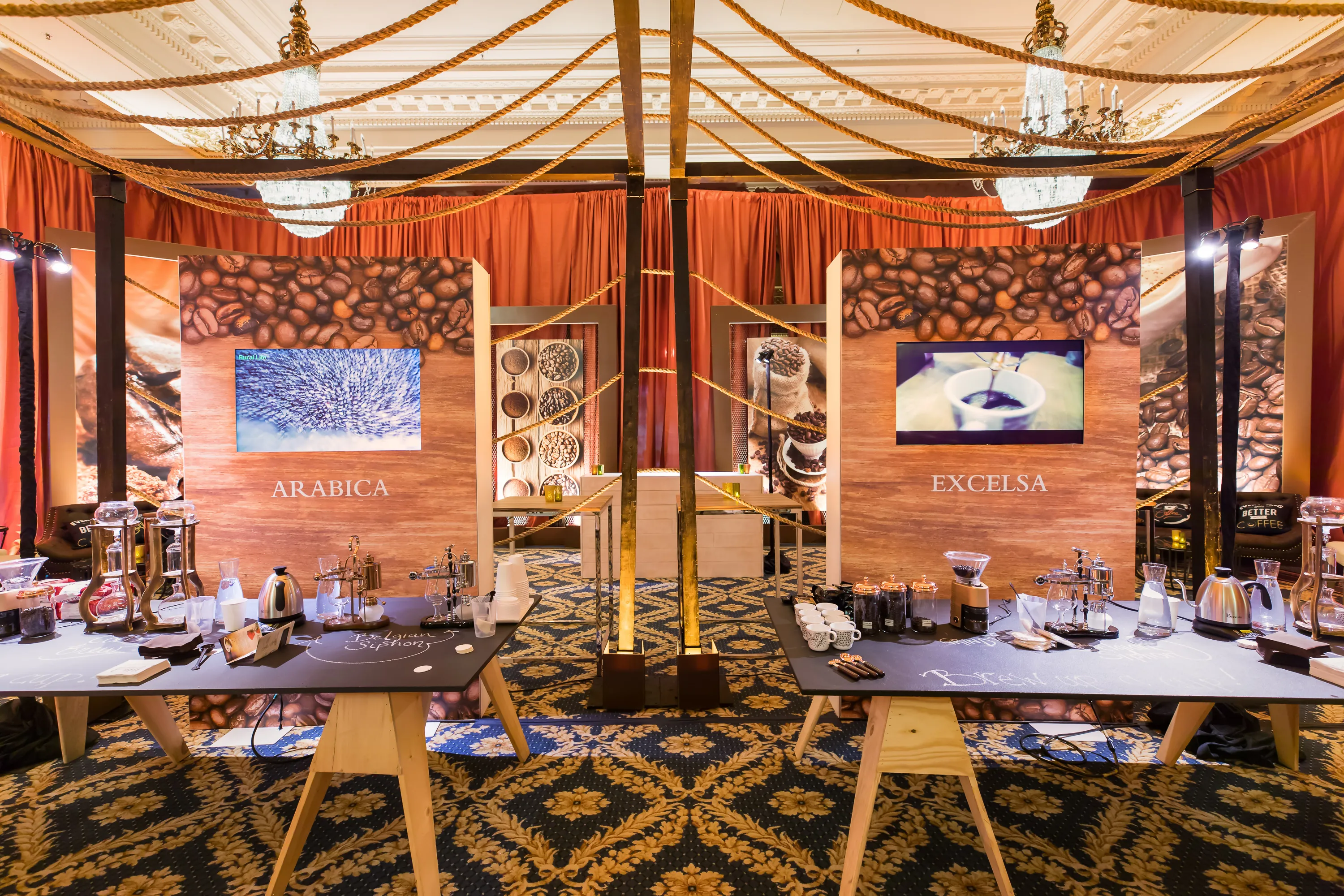
Different Mobile venues mean different floor plans, different labor rules, and different freight realities.
On the Gulf Coast, format discipline drives the venue shortlist and the staffing rhythm long before the budget hardens, so this format is treated as a real operating decision.
Execution priorities
- Tie hospitality suite services to the actual venue and event type before scope hardens.
- Make labor, freight, graphics, and show-day support work as one plan.
- Protect the event from avoidable handoff drift and late reversals.
The buildings that host Mobile events
A venue walk — either in person or via the published floor plan — is the step that reveals constraints no spec sheet shows. Column spacing, real ceiling height at the grid point, and dock access shape what's actually buildable.
Hilton Garden Inn Orange Beach Beachfront: it is suitable for small team meetings, board sessions, and beach-adjacent group stays that do not need large ballroom inventory.
How Mobile floor operations work
Labor in Mobile runs venue-by-venue, not citywide.
Alabama's current statewide constitutional text preserves a right-to-work posture, which supports an open-market baseline rather than a blanket union requirement across the state by default.
Where Mobile shows cluster
Mobile, Downtown Mobile, LoDa, Church Street East form the Downtown Mobile Waterfront Convention District cluster.
Mobile Airport and Midtown Corridor runs across Midtown Mobile, Airport Boulevard, Spring Hill. This corridor matters for suburban corporate meetings, airport-oriented room blocks, and production teams that do not need to stage every program on the waterfront.
Line items on a typical project
For programs that repeat, asset management becomes part of the engagement — storage, graphic rotation, refurbishment, and re-crating are planned rather than one-off.
Out of scope by default are show organizer fees, booth lease costs paid directly to the show, staff travel and per diems, and any custom software or data-capture tooling the client runs on its own stack. Those stay on the client side and plug into the project through coordination, not rebilling.
How a project runs
Everything downstream hinges on those answers.
Venue coordination comes next.
With venue details locked, production runs.
The install phase has one owner on the floor.
During show hours, the booth is a live operating space.
Pricing and scheduling
The levers that matter: build path (custom, rental, or hybrid), footprint, venue service fees, graphics, freight, and supervision days. A 10x10 turnkey rental and a 30x50 custom island with a double deck are entirely different projects.
A clean schedule starts 4 to 5 months out for custom work and 2 to 3 months for rentals. Shorter lead times are workable but push rush premiums and limit material choices.
What a successful project looks like
Exhibitors who measure programs seriously track leads, floor-booked meetings, and post-show pipeline. The build and the install are upstream inputs to those KPIs.
Client teams sometimes want the booth to carry the pipeline on its own, but the best-performing programs treat the booth as a platform and put real operators on it. On-floor conversation discipline moves the KPIs more than any scenic decision.
What makes our work different
The difference from a national vendor shows up at the dock.
Over a multi-show calendar, the compound value of a single team shows up in fewer surprises. The second install is faster than the first, the third is faster than the second, and by the fourth the project runs on memory and documentation rather than first-principles planning.
The Mobile event landscape
Scope gets tighter; standards don't.
the destination offers venues suitable for up to 2,000 people along with roughly 110,000 square feet of hotel meeting space and 56,000 square feet of condo meeting space, which sets the practical ceiling for a booth program working the market.
Hospitality Suite Services planning questions
Do you work at the Pensacola Beach Resort?
Yes. The Pensacola Beach Resort offers a more boutique beachfront meeting option than the Hilton and works best for smaller executive groups, retreats, and incentive extensions that want direct beach frontage and limited but usable meeting space.
How does labor work in Mobile?
It runs venue by venue.
How much lead time is ideal?
Custom builds run best with 16 to 20 weeks of lead time. Rentals take 8 to 12 weeks.
What information kicks off a project?
The show, the venue, the booth number, the dates, and a target budget range. From those, an initial scope and a realistic cost come back within a few days.
Who runs the booth on-site?
One named show-site lead runs the install, the show hours, and the strike. That person carries the floor plan and the punch list from crates to doors and reports up once a day.
Can the booth travel to the next city on our calendar?
Same structure, swappable graphics, standard crates.
What happens if something breaks during show hours?
The on-site lead handles it.