Industries in Mobile

Industries

industry-specific execution in mobile, al

Industry-specific planning pages that connect the booth and support stack to the audience a program is trying to win.

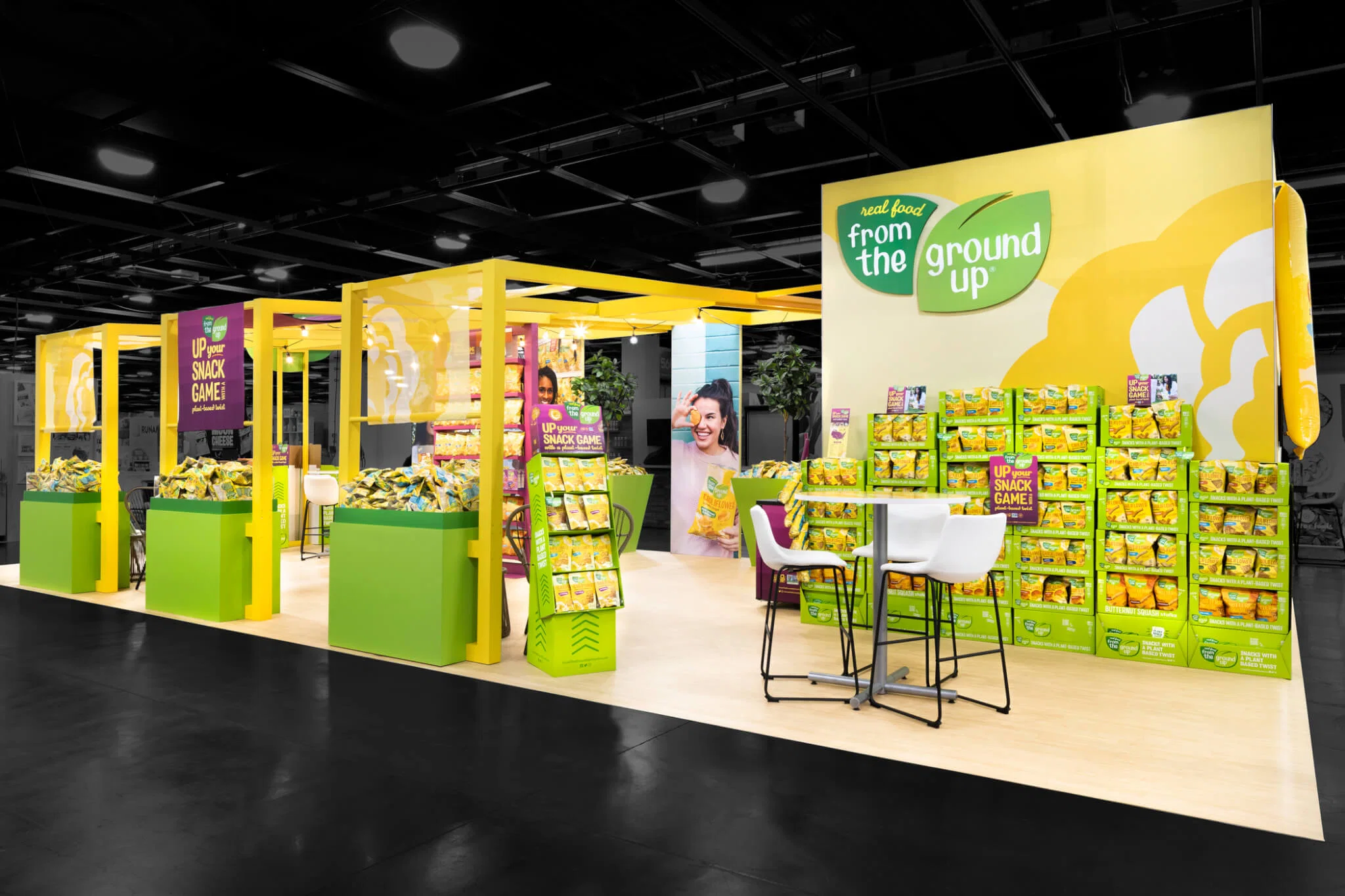
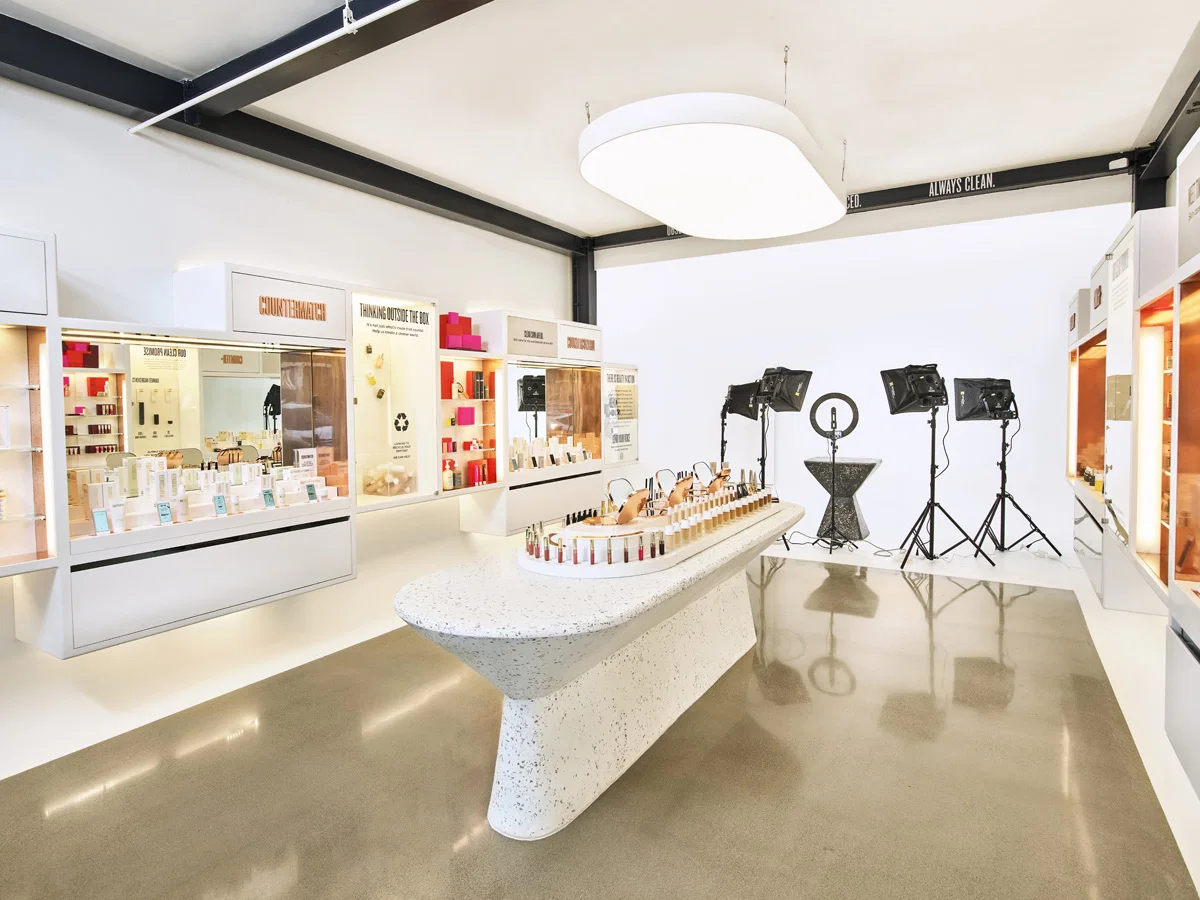
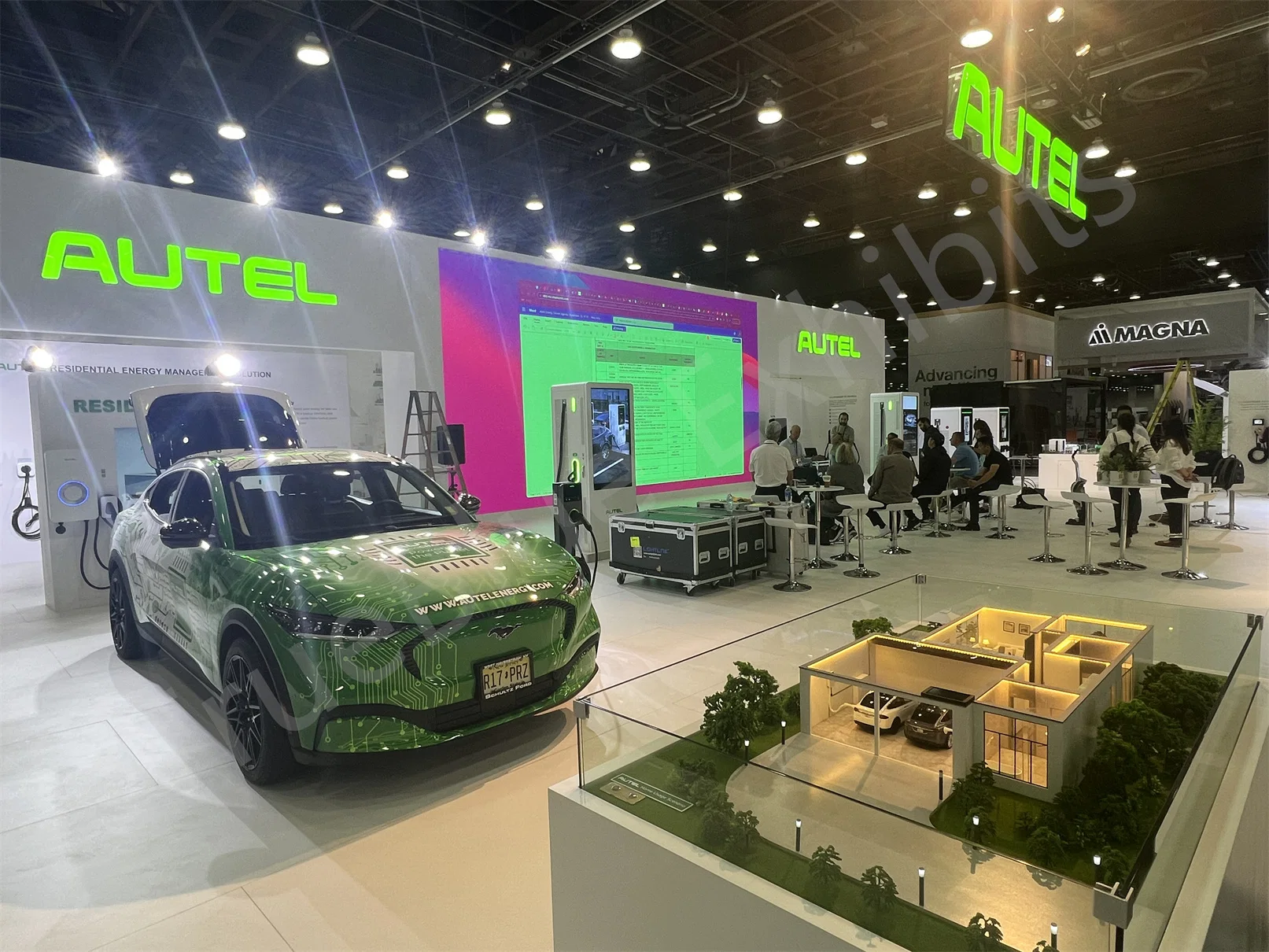
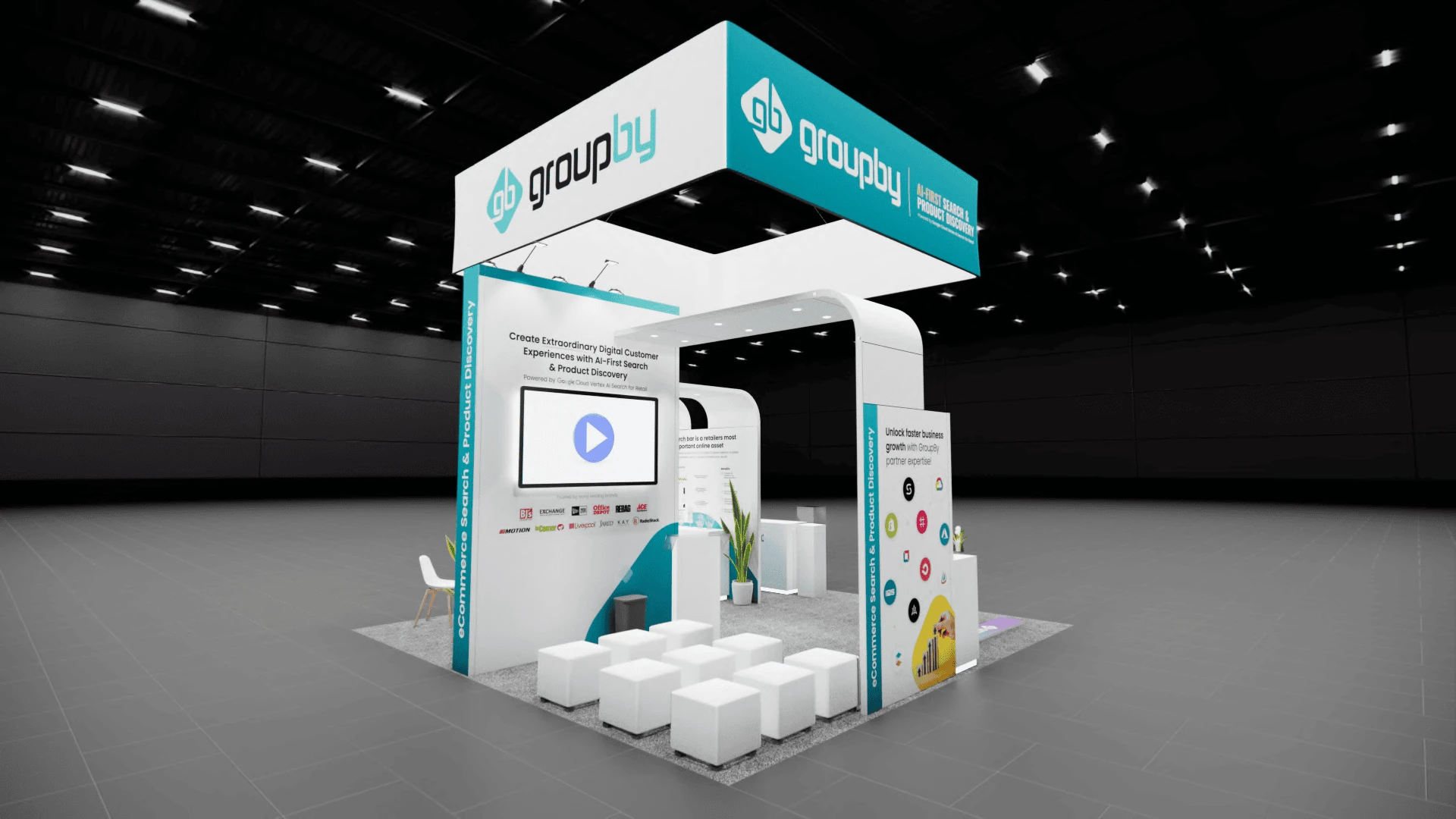
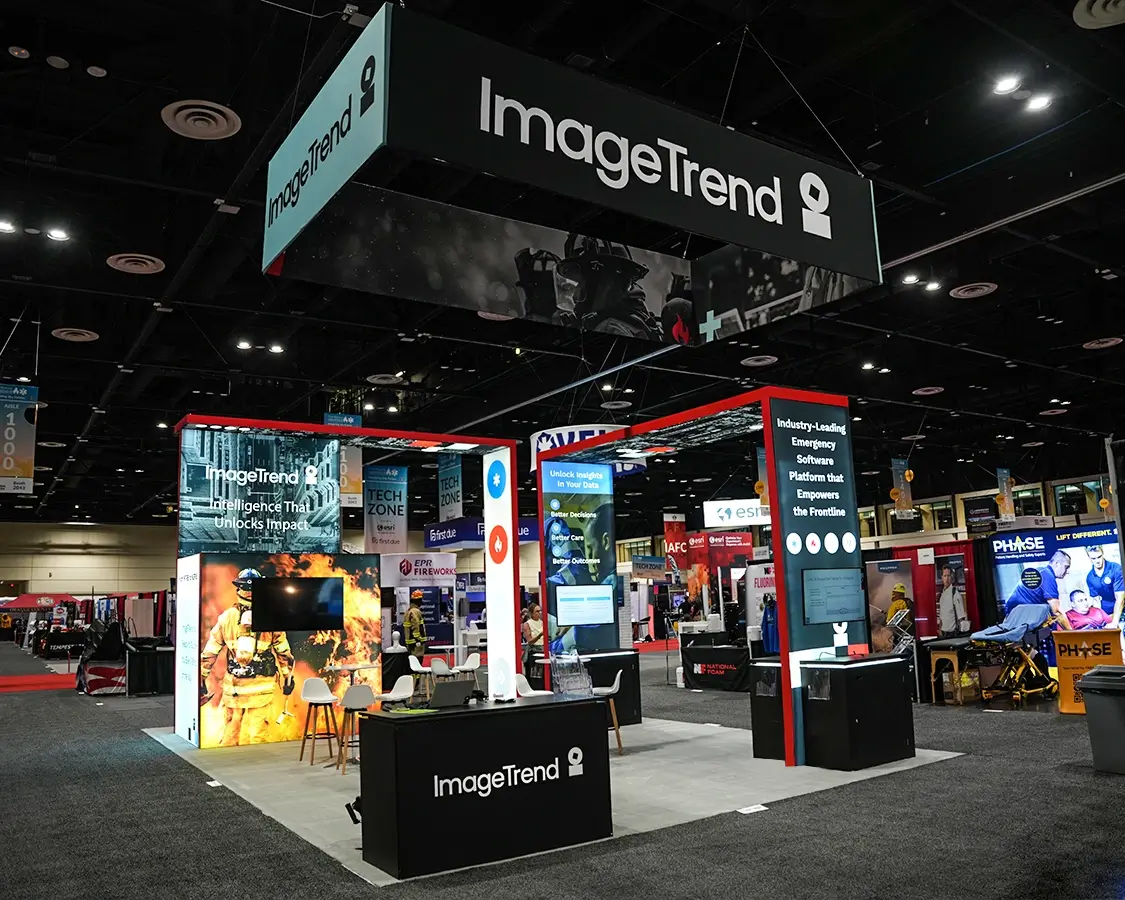
Industry context shapes how a booth is sequenced on the floor. Healthcare, energy and maritime, defense and aerospace, manufacturing, and consumer-facing programs each behave differently on demo space, privacy, audience flow, compliance posture, and how aggressive the hospitality envelope can be.

These pages exist to align production scope with the audience the show is actually serving, so the program fits the buyers walking the aisle instead of inheriting a generic exhibit-hall template.

Sector fit should change the room plan

Industry sections matter because the same footprint can read completely differently depending on what the audience needs to understand. Healthcare, maritime, government, technology, manufacturing, energy, retail, and beauty buyers do not all move through a show floor the same way, and they do not all respond to the same balance of demos, privacy, hospitality, or product display.

This section translates sector expectations into practical guidance for booth layout, staffing, graphic hierarchy, and event support.

Why that matters around Mobile

The Mobile corridor touches port activity, aerospace and defense work, industrial supply, healthcare, tourism, hospitality, and regional public-sector meetings. Sector-aware planning helps exhibitors decide when the story should feel technical, when it should feel premium, and when it needs more direct lead flow and less production theater.

Primary market

Mobile, AL

Primary focus on downtown Mobile and the waterfront convention district, with deliberate expansion east into the Eastern Shore and Alabama beach meeting markets and west into downtown Pensacola and Pensacola Beach where real venue inventory supports conference, exhibit, sponsor, and activation demand.
Venue anchor

Downtown Mobile Waterfront Convention District

This is the primary trade-show and conference cluster anchored by the convention center, headquarters hotels, museum offsites, the Saenger, and Mobile's walkable restaurant core.

Labor stance

Venue and show specific

Alabama's right-to-work baseline, with venue-managed and event-specific labor conditions shaped by the current show manual.

The Mobile event landscape

Mobile runs one of the busiest trade show calendars in the region. Convention weeks stack close together, hotel blocks compete for the same nights, and the venues themselves shape what is possible on the floor.

Trade show weeks in Mobile compress decisions. Dock windows are finite, rigging slots fill fast, and the labor calendar around a citywide conference runs hot. Exhibitors who treat planning as optional lose time they don't get back.

Embassy Suites Gulf Shores Beach Resort delivers more than 21,000 square feet across 12 flexible event spaces plus over 7,500 square feet of outdoor event space, materially expanding Gulf Shores' resort-meeting inventory.

Pensacola Bay Center with a 22,000-square-foot largest room, 17 meeting rooms, and reception capacity up to 5,000, which makes Pensacola a meaningful west-side extension for larger public or mixed-format events, which sets the practical ceiling for a booth program working the market.

The buildings that host Mobile events

Different Mobile venues mean different floor plans, different labor rules, and different freight realities.

Across the Mobile venue set, what changes between buildings are the labor model, the rigging approval path, the drayage setup, and the published move-in window. The plan has to match the specific building.

Hilton Garden Inn Orange Beach Beachfront: it is suitable for small team meetings, board sessions, and beach-adjacent group stays that do not need large ballroom inventory.

How Mobile floor operations work

Labor in Mobile runs venue-by-venue, not citywide. Each building publishes its own rules for who handles what on the floor.

Practically, that means pulling the current exhibitor manual for every show and confirming a handful of items in writing: which tasks the venue's house crews cover, which tasks the show's general contractor covers, and what an exhibitor or their appointed contractor can handle without escalation.

Alabama's current statewide constitutional text preserves a right-to-work posture, which supports an open-market baseline rather than a blanket union requirement across the state by default.

Planner questions

Industries planning questions

Do you work at the Grounds?

Yes. The Grounds is Mobile's fairgrounds-style campus for festivals, consumer events, expos, livestock and community gatherings. It matters whenever a program needs more load-in tolerance, outdoor footprint, or a venue format less constrained than a downtown ballroom or theater. Projects at that building are planned against its specific floor rules.

How does labor work in Mobile?

It runs venue by venue. The role schedules and supervises labor calls and requires knowledge of local IATSE policies and labor agreements, which is strong evidence that at least part of the regional venue mix uses organized labor workflows. Other Mobile venues have their own published rules, and the plan matches the specific building.

How much lead time is ideal?

Custom builds run best with 16 to 20 weeks of lead time. Rentals take 8 to 12 weeks. Work inside 4 weeks is possible but raises costs and narrows the options.

What information kicks off a project?

The show, the venue, the booth number, the dates, and a target budget range. From those, an initial scope and a realistic cost come back within a few days.

Who runs the booth on-site?

One named show-site lead runs the install, the show hours, and the strike. That person carries the floor plan and the punch list from crates to doors and reports up once a day.

Can the booth travel to the next city on our calendar?

Yes — builds are designed for modular reuse unless single-use scenic is specifically required. Same structure, swappable graphics, standard crates. Mobile programs that roll to another city on the same calendar get handled end to end.

What happens if something breaks during show hours?

The on-site lead handles it. Minor repairs happen in place; anything larger gets sourced from the local shop or rerouted through the venue's service desk.

Ready to brief your project?

Talk through the Industries scope

Start with the venue, date, and event behavior that matters most so the next conversation can move directly into practical planning.

Start the brief