
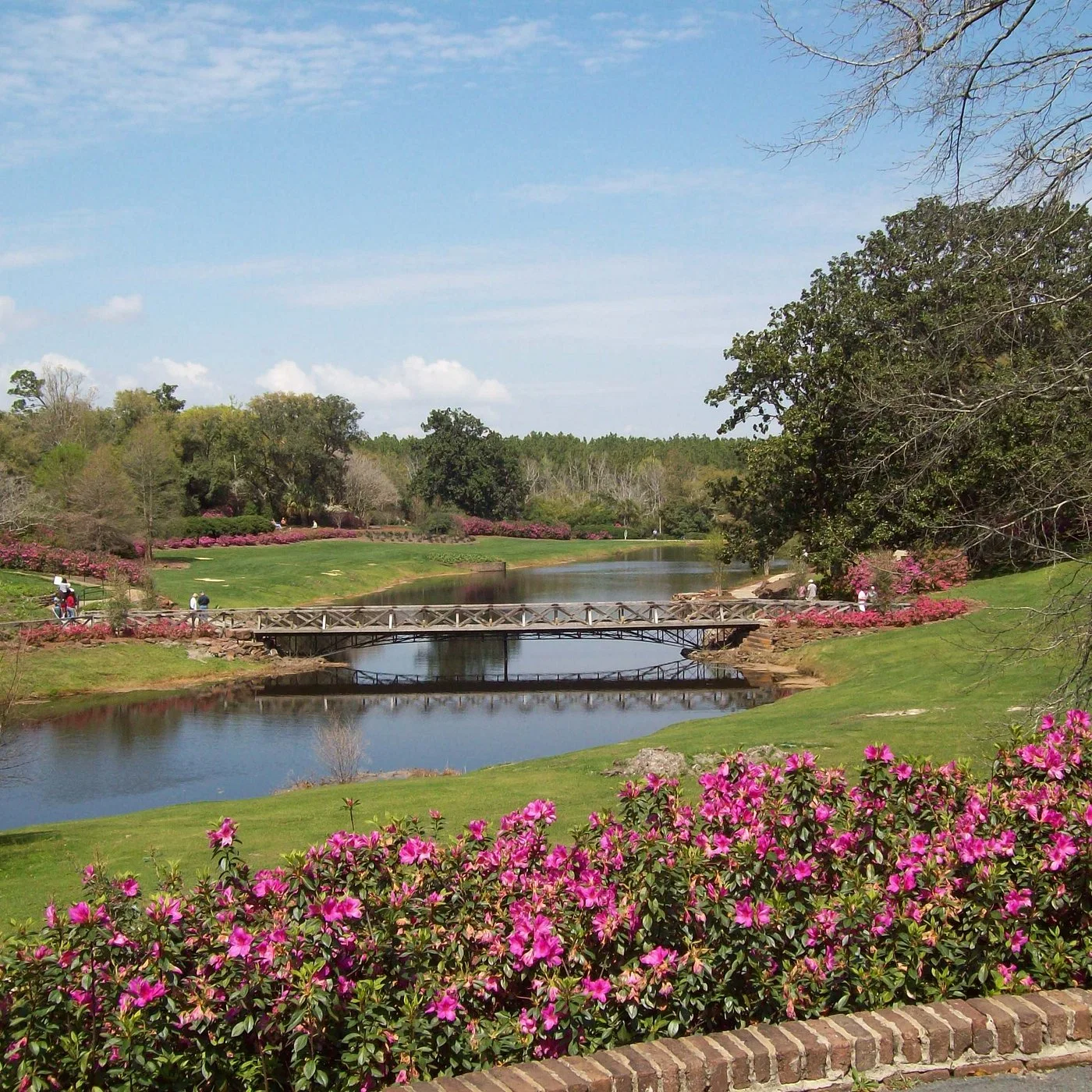
Theodore, AL is one of the Mobile area submarkets we cover for trade show work.
Inside the Mobile corridor each submarket changes guest routing, freight pressure, and where the operating risk sits, so this scope is read against the real route into the venue stack.
Execution priorities
- Tie theodore, al to the actual venue and event type before scope hardens.
- Make labor, freight, graphics, and show-day support work as one plan.
- Protect the event from avoidable handoff drift and late reversals.
About Theodore, AL
Theodore, AL is one of the Mobile area submarkets we cover for trade show work.
Trade show work in the al shares most of its structure with larger Mobile projects.
What drives the Mobile calendar
Scope gets tighter; standards don't.
the Arthur R.
How we're built to run your project
Trade Show Services of Mobile keeps the work local.
Consistency across show dates is the other reason to hire local. The same crew that built the booth runs the install, knows the pack-out, and catches the small things — a missing hardware pack, a graphic edge that needs reseating, a storage crate routed to the wrong bay — without needing the client team to intervene.
The buildings that host Mobile events
Different Mobile venues mean different floor plans, different labor rules, and different freight realities.
A venue walk — either in person or via the published floor plan — is the step that reveals constraints no spec sheet shows. Column spacing, real ceiling height at the grid point, and dock access shape what's actually buildable.
How Mobile floor operations work
Labor in Mobile runs venue-by-venue, not citywide.
Alabama's current statewide constitutional text preserves a right-to-work posture, which supports an open-market baseline rather than a blanket union requirement across the state by default.
Line items on a typical project
Design has to hand a build-ready drawing to fabrication. Every handoff is a place quality can drop.
Those run alongside the engagement rather than inside it.
How a project runs
After the brief, the work turns to the building itself.
Install days are owned by a single on-site lead.
Throughout show hours, the on-site lead stays present.
Strike and closeout happen the same day.
What it costs and how fast it moves
Every project has the same cost drivers.
Lead time drives everything. Custom: 16 to 20 weeks. Rental: 8 to 12.
How project performance gets measured
Most programs in Mobile are evaluated on lead-capture volume, meetings booked on the floor, and qualified-pipeline attribution after the show. The booth is a means to those numbers — it is not the number itself.
A week after the show, the booth's actual floor performance is already clearer than any pre-show projection. We document those observations alongside the technical closeout so the next cycle inherits real signal, not nostalgia.
Theodore, AL planning questions
Do you work at Holiday Inn Mobile-Dwtn/Hist. District?
Yes.
How does labor work in Mobile?
It runs venue by venue.
How much lead time is ideal?
Custom builds run best with 16 to 20 weeks of lead time. Rentals take 8 to 12 weeks.
What information kicks off a project?
The show, the venue, the booth number, the dates, and a target budget range. From those, an initial scope and a realistic cost come back within a few days.
Who runs the booth on-site?
One named show-site lead runs the install, the show hours, and the strike. That person carries the floor plan and the punch list from crates to doors and reports up once a day.
Can the booth travel to the next city on our calendar?
Same structure, swappable graphics, standard crates.
What happens if something breaks during show hours?
The on-site lead handles it.