
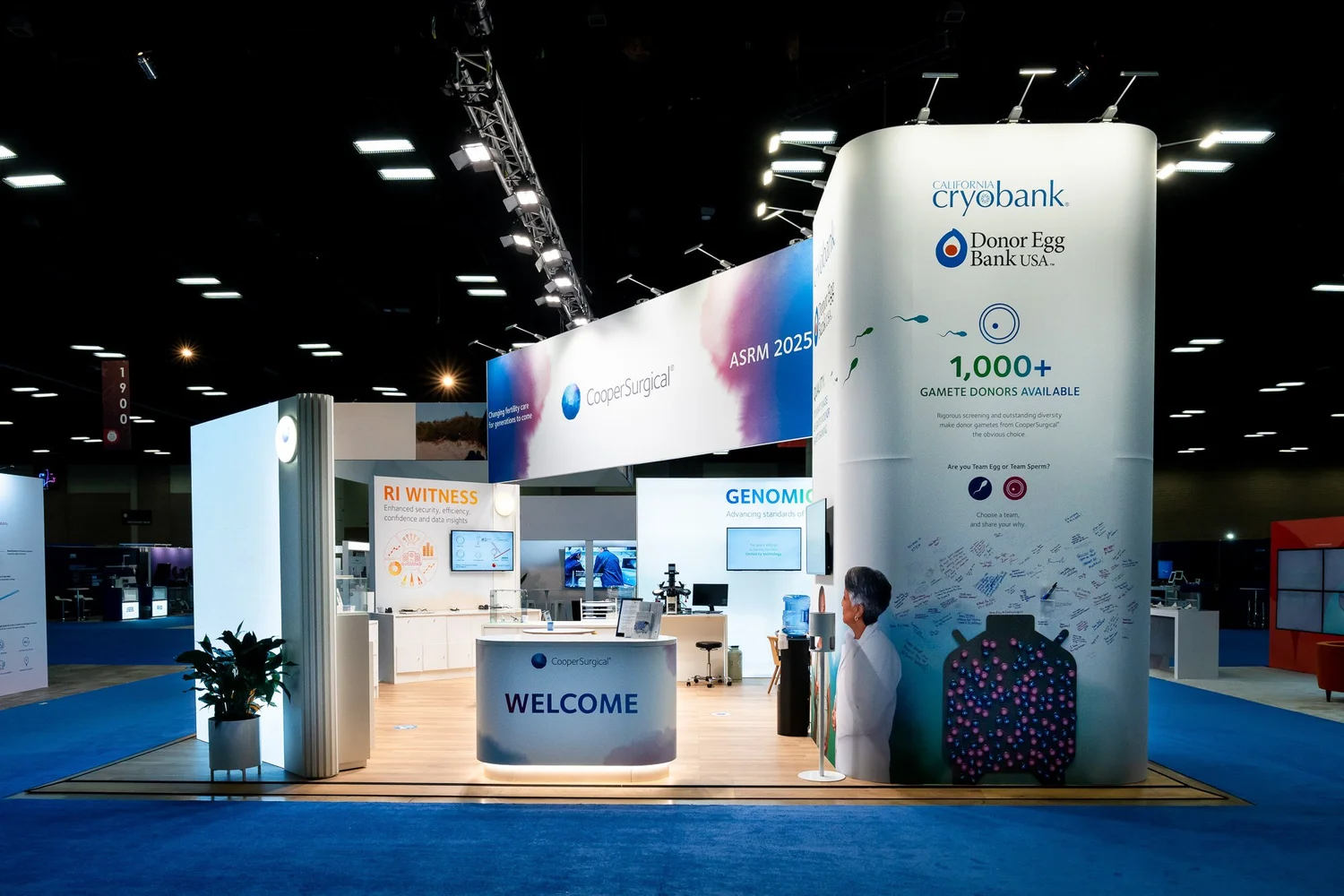
Trade shows in Mobile move fast.
Across Mobile shows the call is the same: one operating lead carrying venue paperwork, freight pacing, labor authority, and show-day decisions on a single timeline.
Execution priorities
- Tie show-site supervision to the actual venue and event type before scope hardens.
- Make labor, freight, graphics, and show-day support work as one plan.
- Protect the event from avoidable handoff drift and late reversals.
Mobile as a trade show city
Trade shows in Mobile move fast.
Scope gets tighter; standards don't.
the Arthur R. Outlaw Mobile Convention Center is the largest convention center in Alabama and actively markets it for meetings ranging from roughly 25 to 6,000 attendees — a useful reference point when sizing a project.
Where Mobile shows actually happen
Every Mobile show takes place in a specific building with its own rules. The venues below come up most often on our production calendar.
The right building depends on the show: a consumer expo wants open aisles and broad traffic flow; a corporate conference wants controlled breakout space; a brand activation wants a venue that can carry scenic and production without fighting the architecture.
Why Trade Show Services of Mobile
Trade Show Services of Mobile is Mobile's local trade show team, with in-house design, fabrication, graphics, and show-site crews. One shop, one point of contact, one accountable lead on every project.
Over a multi-show calendar, the compound value of a single team shows up in fewer surprises. The second install is faster than the first, the third is faster than the second, and by the fourth the project runs on memory and documentation rather than first-principles planning.
Who handles what during the Mobile install window
There is no single labor model for Mobile trade shows.
Mobile publicly markets the convention-center workflow through the venue and local meetings team rather than through blanket promises about unrestricted outside labor, which supports venue-managed and event-specific language in site copy.
Where Mobile shows cluster
The Pensacola Urban and Beach Cluster area runs through Pensacola, Downtown Pensacola, Pensacola Beach, Gulf Breeze. Pensacola broadens the west side of the service radius with a civic event center, beach conference hotels, and multiple museum or downtown special-event venues.
Orange Beach and Gulf Shores Resort Cluster — Orange Beach, the Wharf, Gulf Shores — is a different environment.
Line items on a typical project
The supervision projects typically include design work, fabrication or rental sourcing, graphics production, show-service paperwork, freight, install, show-hours coverage, and strike.
Individual projects layer or remove items based on scope.
The handoffs on a the supervision project matter almost as much as the line items. Design has to hand a build-ready drawing to fabrication. Every handoff is a place quality can drop.
Those run alongside the engagement rather than inside it.
From first call to strike
Every project starts with a scope conversation: the show, the venue, the booth number, the dates, and the budget frame. Ten minutes of specifics produces a better plan than a week of generalities.
After the brief, the work turns to the building itself.
With venue details locked, production runs.
One named show-site lead runs the install. Not a rotating crew and not a remote account manager — one person holds the floor plan, the punch list, and the labor calls from crates to doors.
Throughout show hours, the on-site lead stays present.
Cost and lead time
Every project has the same cost drivers.
On timing: custom builds for Mobile shows run best with 16 to 20 weeks of lead time. Rental programs run on 8 to 12. Anything inside 4 weeks is a rush, which means fewer options and a premium on materials.
How project performance gets measured
Exhibitors who measure programs seriously track leads, floor-booked meetings, and post-show pipeline. The build and the install are upstream inputs to those KPIs.
The post-show debrief is where the numbers get connected back to the physical booth. Which demo station drew traffic, which meeting area closed more conversations, which graphic zone attracted dwell time — that feedback shapes the next build rather than getting lost.
Show-Site Supervision planning questions
Do you work at Embassy Suites by Hilton Gulf Shores Beach Resort?
Yes. Embassy Suites Gulf Shores Beach Resort materially upgraded the Gulf Shores group-hotel mix when it opened, giving the destination another true meeting-capable beachfront property. It is useful for conferences, sponsor programs, and association retreats that want new-build resort inventory in the center of Gulf Shores.
How does labor work in Mobile?
It runs venue by venue.
How much lead time is ideal?
Custom builds run best with 16 to 20 weeks of lead time. Rentals take 8 to 12 weeks.
What information kicks off a project?
The show, the venue, the booth number, the dates, and a target budget range. From those, an initial scope and a realistic cost come back within a few days.
Who runs the booth on-site?
One named show-site lead runs the install, the show hours, and the strike. That person carries the floor plan and the punch list from crates to doors and reports up once a day.
Can the booth travel to the next city on our calendar?
Same structure, swappable graphics, standard crates.
What happens if something breaks during show hours?
The on-site lead handles it.